What Are Consumer Packaged Goods?
Definition and Characteristics
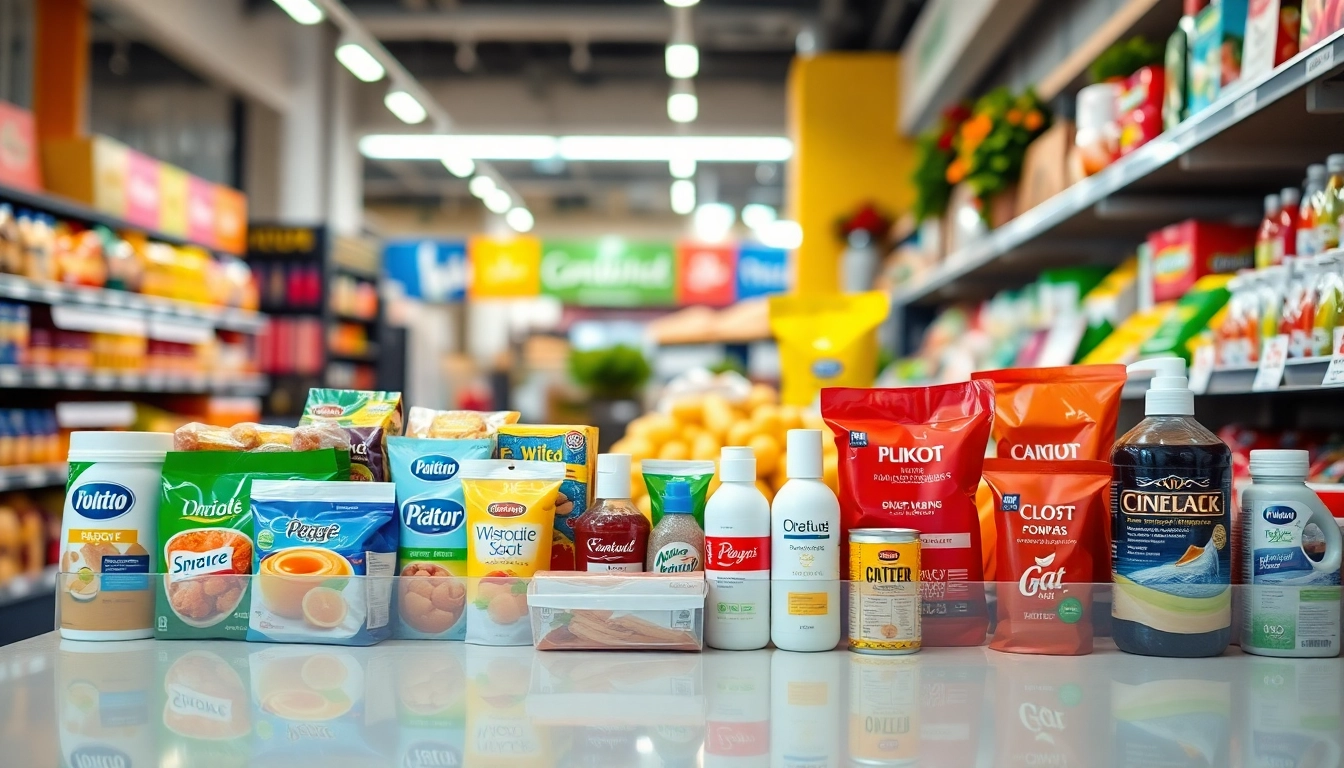
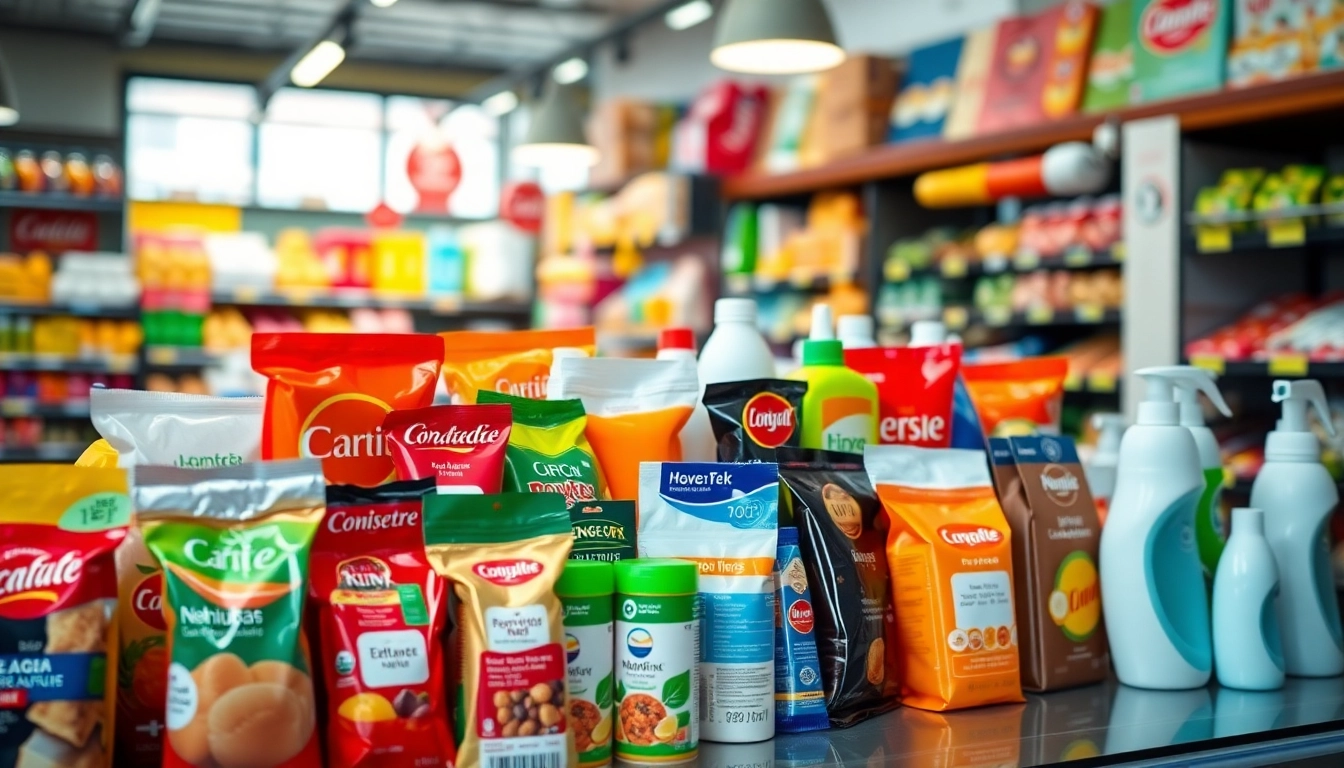
Consumer packaged goods (CPG) are items that are sold quickly and at relatively low costs. They are typically characterized as non-durable goods, which means that they are consumed rapidly and require frequent replenishment. Common examples of Consumer packaged goods include food and beverages, toiletries, over-the-counter drugs, and personal care items. These products often have unique characteristics such as high turnover rates, low margins, and often face intense competition in the marketplace.
Types of Consumer Packaged Goods
Consumer packaged goods can be broadly classified into several categories, including:
- Food and Beverages: This segment includes perishable items like fresh food, packaged snacks, and beverages.
- Personal Care Products: Items such as shampoo, soap, and cosmetics fall under this category.
- Household Supplies: Cleaning products, detergents, and paper goods are essential in this sector.
- Beverages: Encompassing both alcoholic and non-alcoholic drinks, this category holds a significant share of CPG.
Importance in Daily Life
The significance of consumer packaged goods in our daily lives cannot be overstated. They form the backbone of our consumption habits, ranging from breakfast staples to household cleaners. As everyday essentials, they contribute significantly to consumer spending and drive substantial portions of retail sales. Their easy availability and frequent purchasing nature make them critical to both consumer life and retail strategies.
Market Trends in Consumer Packaged Goods
Current Industry Insights
The consumer packaged goods market is ever-evolving, influenced by changes in consumer preferences, demographic dynamics, and technological advancements. Recent trends reflect a significant shift towards health-conscious products, with consumers increasingly seeking out organic, gluten-free, and non-GMO products. Moreover, the rise of e-commerce continues to reshape how CPG brands distribute their products and interact with consumers.
Impact of Technology
Technology plays a pivotal role in the CPG industry, affecting everything from production efficiency to consumer engagement. Advanced data analytics allows companies to better understand consumer behavior, enabling targeted marketing strategies. E-commerce platforms facilitate easier access to these goods, expanding market reach and providing greater convenience for consumers.
Sustainability in Consumer Packaged Goods
As environmental consciousness rises among consumers, sustainability has become a key trend within the consumer packaged goods sector. Brands are increasingly adopting eco-friendly packaging and sourcing ingredients responsibly. This not only resonates with eco-minded consumers but also enhances brand loyalty and corporate reputation.
Challenges Facing Consumer Packaged Goods Brands
Market Competition Analysis
Competition in the consumer packaged goods market is fierce. With countless brands vying for consumer attention, maintaining market share requires innovation and differentiation. New entrants frequently disrupt traditional market dynamics, forcing established brands to adapt quickly to changing conditions or risk losing their foothold.
Supply Chain Issues
Managing an efficient supply chain is another significant challenge for CPG companies. Issues can arise from ingredient shortages, transportation delays, and increased costs, all of which can threaten product availability and brand reputation. Developing resilient supply chains that can withstand such disruptions is essential for long-term growth.
Consumer Behavior Changes
Shifts in consumer behavior, often triggered by economic conditions or global events, pose additional challenges for CPG brands. For instance, during economic downturns, consumers may opt for more affordable products, impacting the sales of premium brands. Staying attuned to these changes and being agile in response is critical for success.
Strategies for Success in Consumer Packaged Goods
Effective Marketing Techniques
Effective marketing strategies for CPG brands often combine traditional advertising with innovative digital tactics. Utilizing social media for brand awareness and engaging directly with consumers fosters a strong brand community. Additionally, influencer marketing has emerged as a powerful tool, allowing brands to tap into new consumer segments through trusted voices.
Distribution Best Practices
Optimizing distribution channels is crucial for CPG success. Brands should employ a multi-channel strategy, ensuring their products are available both online and offline. Strategic partnerships with retailers can enhance product visibility, while direct-to-consumer channels provide valuable insights into consumer preferences.
Leveraging E-commerce
The growth of e-commerce has revolutionized how consumer packaged goods are sold. Brands that effectively leverage online platforms can reach a broader audience, reduce overhead costs, and enhance customer insights. Implementing user-friendly e-commerce strategies, including subscription services and personalized recommendations, can drive repeat purchases.
Future of Consumer Packaged Goods
Forecasting Industry Growth
The future of consumer packaged goods is promising, with continuous growth expected driven by innovation and consumer demand. Emerging trends towards health, sustainability, and convenience are likely to shape the market landscape, necessitating brands to continually evolve.
Innovation and Development
Continuous innovation is critical for CPG brands as they develop new products to meet consumer needs. Brands must invest in research and development to stay ahead of market trends and create products that resonate with consumers on multiple levels, such as taste, convenience, and ethical sourcing.
Adapting to Consumer Needs
Adapting to ever-changing consumer preferences is paramount. Brands need to stay ahead of trends by engaging with consumers, conducting regular market research, and implementing feedback mechanisms. This agility allows CPG companies to adjust their offerings to better serve their target demographic.
Frequently Asked Questions
What are consumer packaged goods?
Consumer packaged goods refer to items that are sold quickly and at low cost, such as food, beverages, and personal care products.
How are consumer packaged goods different from durable goods?
Unlike durable goods, which are used over a long period, consumer packaged goods are non-durable and require frequent replenishment.
What trends are shaping the CPG market?
Key trends include a focus on health-conscious products, sustainability, and the increasing importance of e-commerce.
How can brands effectively market CPG?
Employing social media, influencer marketing, and multi-channel distribution strategies can enhance visibility and engagement.
What challenges do CPG brands face today?
Challenges include intense competition, supply chain issues, and shifts in consumer behavior due to broader economic factors.