Introduction to Cherry Picker
A cherry picker, also known as an aerial work platform, is a versatile piece of equipment designed to lift workers and tools to elevated locations for various applications. Its ability to elevate personnel safely has made it an essential tool in numerous industries, from construction to maintenance, where accessing hard-to-reach areas is critical.
What is a Cherry Picker?
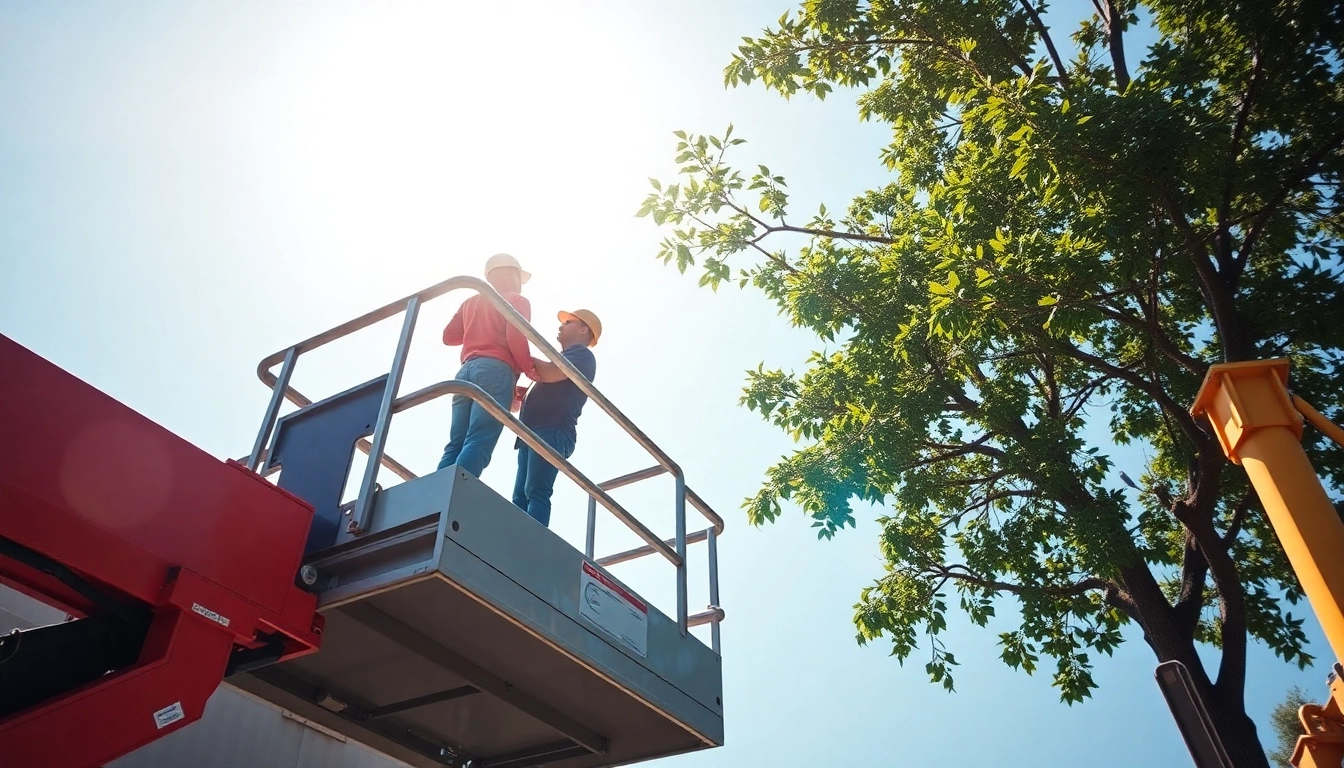
A cherry picker, or boom lift, comprises a platform or bucket mounted on a movable arm that extends vertically or horizontally to provide access to heights and hard-to-reach places. They are commonly used in situations that require temporary access for workers, such as tree trimming, building maintenance, window cleaning, and utility work. Safety features, such as guardrails, harness points, and emergency stop buttons, support the secure operation of this aerial lift device.
How Cherry Picker Works
The operational mechanics of a cherry picker involve both hydraulic and electrical systems. When activated, hydraulic cylinders lift the platform through pressurized fluid, allowing the operator to gain elevation according to the required height. Most cherry pickers can be maneuvered using simple controls that allow the operator to both move the arm and swivel the platform to different angles, providing flexibility in reaching various tasks securely.
Common Uses for Cherry Picker
Cherry pickers are utilized in a variety of industries, including:
- Construction: For work on multi-story buildings and structures.
- Maintenance: For routine inspections and repairs on overhead fixtures.
- Aviation: Assisting with aircraft maintenance and inspections.
- Telecommunications: For the installation and repair of phone lines and towers.
- Landscaping: For tree pruning and fruit harvesting at height.
Cherry Picker Safety Protocols
Essential Safety Equipment
Before using a cherry picker, concrete safety measures must be observed. Essential safety equipment includes:
- Personal Protective Equipment (PPE): Helmet, gloves, and suitable footwear.
- Safety Harness: Should be worn and securely attached to the harness point in the basket.
- Hard Hats: To protect against falling objects.
- Communication Devices: To ensure coordination and communication among the crew.
Pre-Operation Safety Checks
Conducting thorough pre-operation safety checks is vital for preventing accidents. This includes inspecting:
- The condition of the cherry picker and its components.
- The operational controls and features, ensuring they function correctly.
- The stability of the ground or platform on which the cherry picker is operating.
- Confirming the weather conditions are suitable for elevated work.
Common Hazards and Their Management
Several hazards are associated with cherry picker operations, such as:
- Tip-Over: Ensuring the base is stable and adequately leveled can mitigate this risk.
- Falling Objects: Establishing a safety zone for personnel not operating the equipment.
- Electrical Hazards: Maintaining a safe distance from power lines and known electric sources.
Types of Cherry Picker
Self-Propelled Cherry Picker
Self-propelled cherry pickers are equipped with their own drive system, allowing for easier maneuverability on uneven terrain. This type is especially advantageous in job sites where accessibility is limited, as it can navigate smaller spaces without requiring external transport.
Articulated Cherry Picker
Articulated cherry pickers feature a jointed arm, which enhances flexibility when reaching around obstacles. This design allows operators to extend their reach in a compact footprint, making them perfect for urban settings or complex construction sites where space is a premium.
Truck-Mounted Cherry Picker
These cherry pickers are mounted on a truck chassis, making them highly portable. They are ideal for jobs that require traveling to different locations, such as utility work, where the cherry picker can assist with tasks while remaining mobile and convenient.
Choosing the Right Cherry Picker
Weight Capacity Considerations
When selecting a cherry picker, it’s crucial to understand the weight limitations of the model. Weight capacity varies widely among models, typically ranging from 300 to 1,000 pounds. Ensure that the combined weight of personnel, tools, and materials does not exceed this limit to maintain safe operations.
Height and Reach Specifications
Determining the required height and reach is essential for choosing the appropriate cherry picker. Assess the specific job requirements, including the maximum height needed and any horizontal reach required to ensure the selected model can accomplish the task at hand effectively.
Terrain Compatibility
Different cherry pickers perform better in specific terrains. For instance, self-propelled models excel on uneven surfaces, while truck-mounted versions are advantageous for paved areas. Consider the working environment and choose a model that fits the terrain for enhanced safety and efficiency.
FAQs About Cherry Pickers
What is the weight limit for a cherry picker?
The weight limit can vary widely, generally ranging from 300 to 1,000 pounds based on the specific model chosen.
Do cherry pickers require specific licenses?
Yes, operating a cherry picker requires specialized training and certification, as mandated by local regulations and safety standards.
Can cherry pickers be used indoors?
They can be used indoors, but it’s essential to consider the available space and the working height to ensure safe operation within confined areas.
How often should cherry picker inspections be conducted?
Daily pre-operation inspections are recommended, with comprehensive annual checks to ensure safety and compliance with operational standards.
Where can I find cherry picker rentals?
Cherry pickers can be rented through many equipment rental services; checking local listings can provide you with information on availability and rates.
Contact Information
Call Us: 4062607988Address: 3906 MT-40, Columbia Falls, MT 59912