Understanding Neighborhood Association Roles in Fence Disputes
Definition and Purpose of Neighborhood Associations
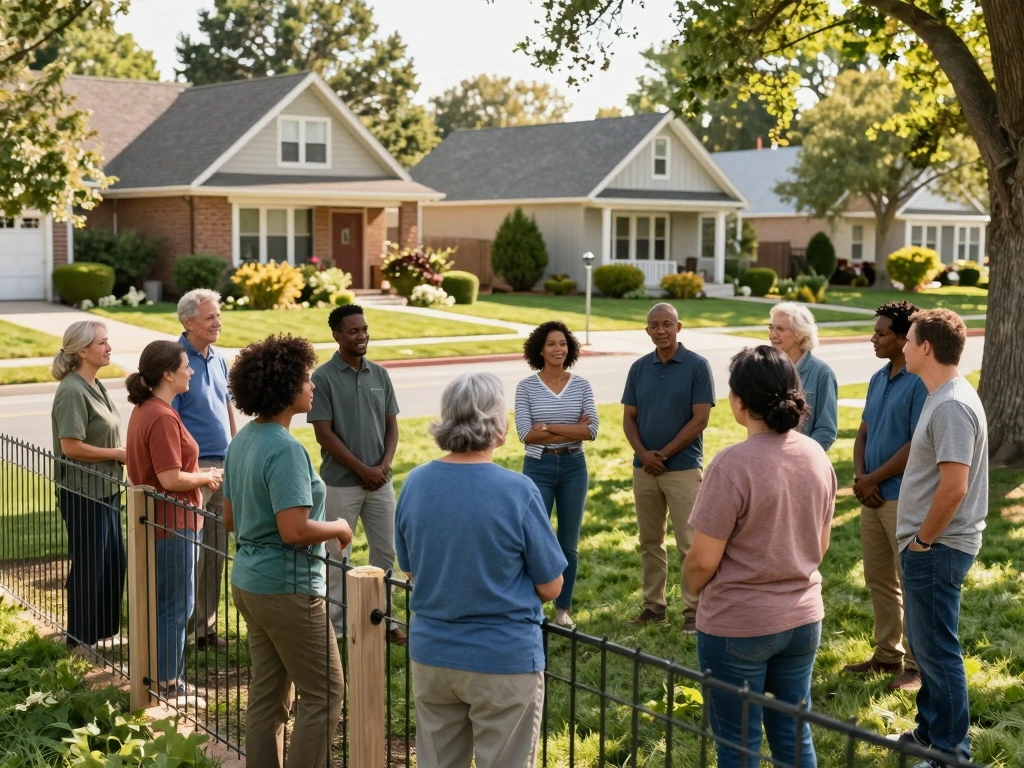
Neighborhood associations are organized groups of residents in a specific area, often formed to create a sense of community, maintain shared spaces, and enforce rules that help maintain property values. These associations, sometimes known as homeowners associations (HOAs), provide a structured way for residents to collaborate on community issues, including property disputes such as those involving fences. Their primary purpose is to foster a harmonious living environment by promoting cooperation among residents and providing mechanisms for conflict resolution.
Typical Governance Structures and Responsibilities
Most neighborhood associations have a formal governance structure that includes a board of directors elected by the community members. This board typically consists of residents who volunteer their time to oversee the association's activities, manage finances, and enforce community rules. Responsibilities may include:
- Setting and enforcing community guidelines and covenants related to property modifications, including fences.
- Managing common areas and amenities.
- Collecting dues or assessments from members for maintenance and improvements.
- Organizing community events to foster neighborly relations.
By outlining clear governance structures, neighborhood associations can effectively manage disputes and ensure fair representation of all residents involved.
Importance of Fair Dispute Resolution
Fair dispute resolution is crucial in maintaining community harmony and trust. When disputes arise, they can lead to significant tension and conflict among neighbors, which can ultimately degrade the quality of life in the neighborhood. A neighborhood association that prioritizes fair resolutions helps to:
- Prevent escalation into legal battles, which can be costly and time-consuming for all parties involved.
- Maintain positive relationships among residents, fostering a sense of community.
- Uphold property values by ensuring that disputes are resolved in a manner consistent with community standards.
By facilitating structured discussions and decisions, neighborhood associations play a vital role in ensuring disputes are addressed fairly and transparently.
Common Causes of Fence Disputes in Neighborhoods
Property Line Misunderstandings
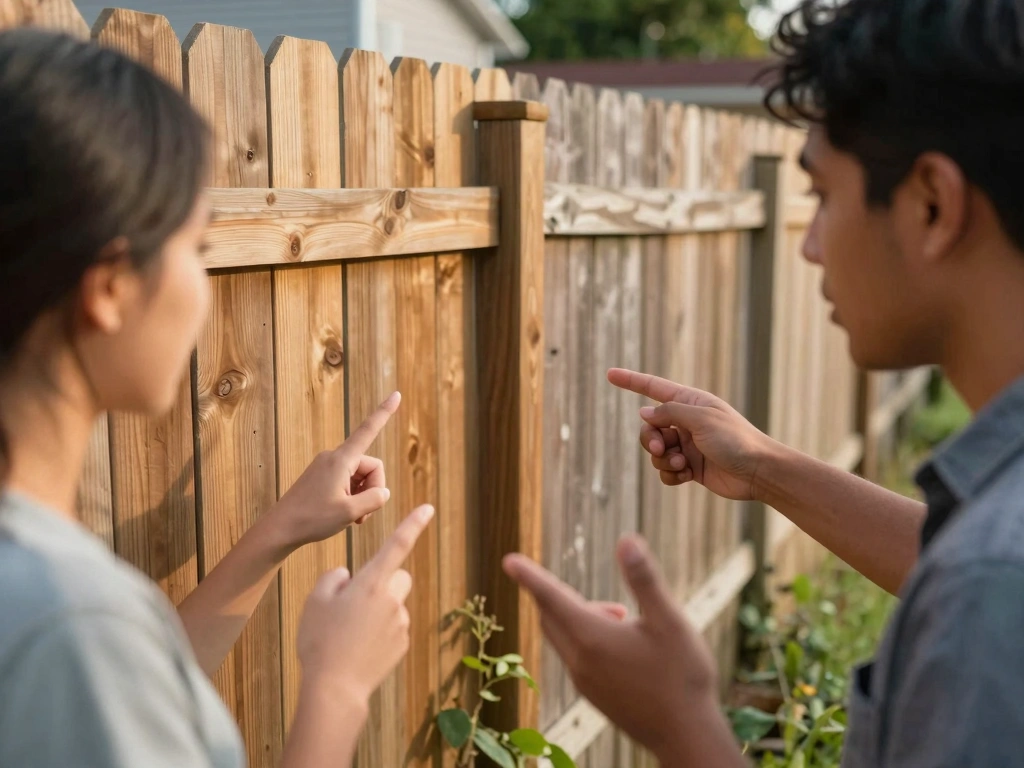
One of the most prevalent causes of fence disputes is misunderstandings related to property lines. Many homeowners are not fully aware of the exact boundaries of their properties, which can lead to erroneous conclusions about where a fence should be placed. For instance, a homeowner may erect a fence believing it is within their boundary, only to later discover that it encroaches on a neighbor's land. This misunderstanding can lead to conflicts that require mediation or intervention from the neighborhood association.
Variations in Local Zoning Laws
Local zoning laws can also contribute to fence disputes, especially when these laws vary significantly from one neighborhood to another. For example, some areas may have restrictions on the height, materials, or placement of fences. A homeowner might build a fence that complies with their understanding of local regulations, only to find out that it violates specific guidelines set forth by the neighborhood association. This discrepancy can lead to disputes that necessitate negotiation and resolution through the association's mediation processes.
Impact of Aesthetic Preferences
Aesthetic preferences can lead to significant fence disputes as well. Residents may have differing opinions on what constitutes an attractive fence, which can result in conflicts when one homeowner prefers a solid wood fence while another favors a wrought iron design. These disputes can escalate when individuals feel that their neighbor's choice negatively impacts the visual appeal of the neighborhood. The neighborhood association is often called upon to mediate these disputes, especially in communities with established design guidelines.
Initial Steps for Residents Facing Fence Disputes
Documenting the Dispute
The first step for residents facing fence disputes is to document the situation thoroughly. This includes taking photographs of the fence, marking the property lines, and keeping records of any communication with the neighbor regarding the dispute. This documentation will be vital if the dispute escalates and requires intervention from the neighborhood association or legal authorities. A well-documented case can help clarify the facts and provide evidence to support one’s claims.
Engaging in Open Communication
Open communication is key to resolving disputes amicably. Residents should approach their neighbors to discuss the issue openly and honestly. A friendly conversation can often clarify misunderstandings and lead to a mutually agreeable solution. For example, if one homeowner believes their neighbor’s fence is encroaching on their property, discussing property lines and reviewing documentation together may lead to a simple resolution, such as adjusting the fence placement.
Reviewing Neighborhood Association Guidelines
Before escalating the dispute, residents should review the neighborhood association guidelines relevant to fence construction and property lines. These guidelines often outline the rules and regulations governing fences, including height restrictions, design requirements, and placement rules. By understanding these rules, residents can present a more informed argument regarding their position and can better understand their rights and responsibilities.
Neighborhood Association Mediation Processes
Role of Mediation Committees
Many neighborhood associations have mediation committees specifically tasked with resolving disputes between residents. These committees are typically composed of volunteers who are trained in conflict resolution and have a deep understanding of the neighborhood's rules and guidelines. Their role is to facilitate discussions between disputing parties and help them reach a satisfactory resolution. The neutrality of the mediation committee is crucial, as it ensures that both sides feel heard and understood.
Steps Taken During Mediation Sessions
Mediation sessions typically follow a structured format to ensure fairness and efficiency. The usual steps include:
- Initial Meeting: Both parties are invited to present their perspectives on the dispute. This meeting sets the stage for open dialogue.
- Fact-Finding: The mediation committee may gather additional information, such as property surveys or relevant documentation, to better understand the dispute.
- Facilitated Discussion: The committee guides a discussion between the parties, encouraging them to express their concerns and desires while promoting a collaborative approach to finding solutions.
- Proposing Solutions: The committee may suggest compromises or solutions based on the discussions, aiming to find a resolution that satisfies both parties.
- Agreement Documentation: If a resolution is reached, the committee will document the agreement, ensuring that both parties understand the terms and responsibilities moving forward.
These sessions aim to foster understanding and collaboration, leading to resolutions that are acceptable to both parties.
Outcomes and Resolutions from Mediation
The outcomes of mediation can vary widely, but successful resolutions often include:
- Adjustment of the fence location to comply with property lines.
- Agreements on aesthetic modifications to the fence to accommodate both parties' preferences.
- Mutual understanding of property boundaries facilitated by a professional survey.
In some cases, mediation may not lead to a resolution, prompting the association to enforce guidelines or, in extreme cases, escalate the matter to legal counsel. However, the majority of disputes can be resolved through effective mediation, preserving relationships and community cohesion.
Long-term Solutions and Preventive Measures
Establishing Clear Fence Guidelines
To prevent future disputes, neighborhood associations should prioritize establishing clear and comprehensive fence guidelines. These guidelines should address:
- Height restrictions for different types of fences.
- Permissible materials and designs based on the neighborhood's aesthetic.
- Specific requirements for property line adherence and encroachment rules.
By providing clear rules, associations can minimize misunderstandings and set expectations for residents, thus reducing the likelihood of disputes.
Regular Community Meetings for Policy Updates
Regular community meetings can serve as a platform for discussing existing guidelines, addressing concerns, and introducing updates. These meetings allow residents to voice their opinions and provide input on community standards, including those related to fences. By engaging residents in the decision-making process, the association fosters a sense of ownership and responsibility among community members, which can lead to better adherence to guidelines and reduced conflicts.
Educating Residents on Property Rights and Responsibilities
Education is a vital component of preventing fence disputes. Neighborhood associations should consider hosting workshops or distributing informational materials about property rights, local zoning laws, and the responsibilities of homeowners. This education can empower residents to make informed decisions about their property and help them understand the implications of their actions on their neighbors. For instance, understanding local zoning laws can prevent a resident from building a fence that violates regulations, thus avoiding potential disputes altogether.