Initial Purchase Costs of Heat Pumps vs Furnaces
Cost of Equipment
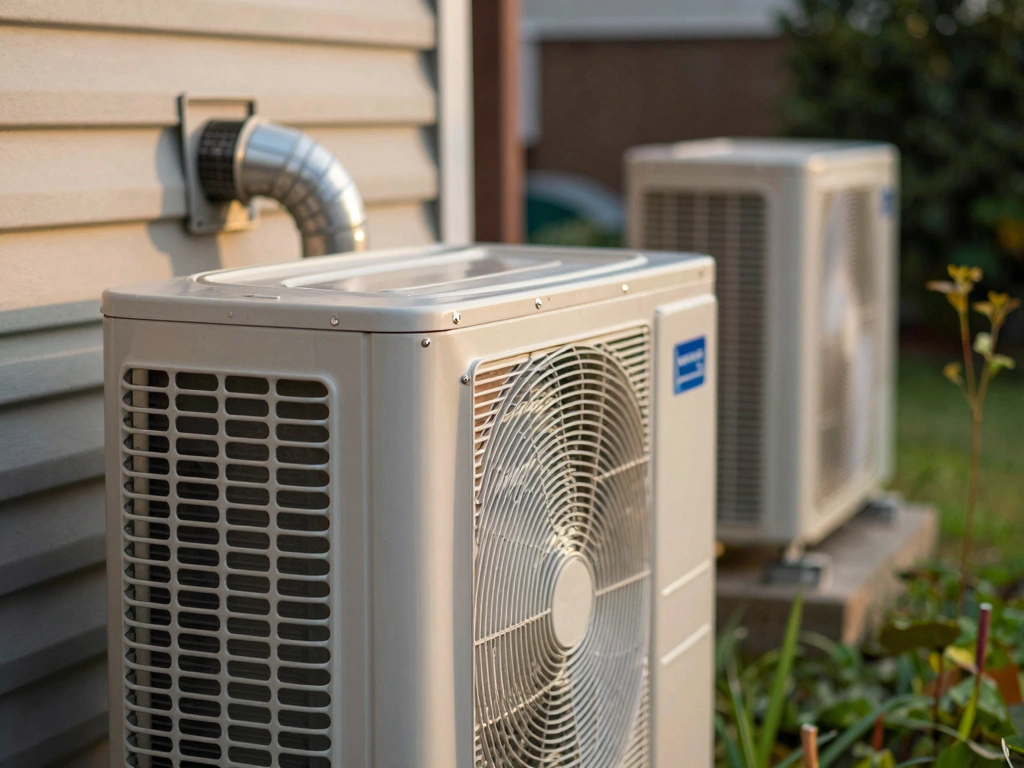
When considering a heating system for your home, the initial purchase cost is a significant factor. Heat pumps and furnaces differ substantially in their equipment costs. Generally, heat pumps are more expensive upfront. For example, a typical air-source heat pump can range from $3,500 to $7,500, depending on the size and efficiency rating. In contrast, a gas furnace typically costs between $2,000 and $5,000 for the unit alone, with variations based on brand and efficiency.
Installation Expenses
Installation costs can further influence the total initial investment. The installation of a heat pump generally ranges from $1,000 to $3,000, depending on the complexity of the installation and the specific model. Conversely, furnace installations typically cost between $500 and $2,500. Factors that can affect installation costs include ductwork modifications, labor rates in your area, and the specific requirements of your home.
Available Rebates and Incentives
Another aspect to consider when comparing costs is the availability of rebates and incentives. Many regions offer financial incentives for installing energy-efficient heating systems. For instance, federal tax credits for heat pumps can provide up to 26% of the cost in 2023. Some utility companies also provide rebates for energy-efficient installations, which can significantly reduce upfront costs. On the other hand, while some furnace models also qualify for incentives, they are often less generous. Homeowners should research local and federal programs that may apply to their situation to maximize savings.
Operational Costs Over Time
Energy Efficiency Ratings
Operational costs are a critical component of the lifetime cost comparison. Energy efficiency ratings indicate how effectively a system converts energy into heat. Heat pumps typically have higher efficiency ratings than furnaces. The efficiency of heating systems is measured by their Seasonal Energy Efficiency Ratio (SEER) for cooling and Heating Seasonal Performance Factor (HSPF) for heating. A high-efficiency heat pump can achieve a HSPF of 8 to 12, while a high-efficiency gas furnace may have an Annual Fuel Utilization Efficiency (AFUE) rating of 90% to 98%. This difference means that heat pumps often consume less energy over time, leading to lower operational costs.
Monthly Utility Bills Comparison
The monthly utility bills for heat pumps and furnaces can differ significantly based on energy source and efficiency ratings. For example, let's consider an average household using a gas furnace versus an air-source heat pump. A gas furnace operating at an AFUE of 95% might cost approximately $100 to $150 per month during the heating season, depending on local gas prices. In contrast, a heat pump with an HSPF of 10 could result in monthly electric bills of about $80 to $120, depending on local electricity rates. Over the course of a heating season (typically 6 months), this can translate to substantial savings for heat pump users.
Maintenance Requirements and Costs
Maintenance is another crucial factor influencing operational costs. Both heat pumps and furnaces require regular maintenance, but they have different needs. Heat pumps require less frequent maintenance—typically once a year—while furnaces may need biannual check-ups. The annual maintenance cost for a heat pump is generally around $150 to $300, whereas furnace maintenance can range from $100 to $200. However, heat pumps may incur additional costs due to the complexity of their systems and the need for refrigerant checks. Over time, these maintenance costs can add up and should be factored into the lifetime cost comparison.
Longevity and Lifespan Considerations
Average Lifespan of Heat Pumps
Heat pumps typically have a lifespan of about 15 to 20 years. This longevity can be influenced by various factors, including the quality of the unit, installation practices, and local climate conditions. Regular maintenance can also extend the lifespan of heat pumps, ensuring they operate efficiently for many years.
Average Lifespan of Furnaces
Furnaces generally have a longer lifespan, averaging around 20 to 30 years. Gas furnaces, in particular, tend to last longer than electric ones. This longer lifespan can make furnaces a more appealing option for homeowners looking for longevity. However, while furnaces may have a longer lifespan, they also require more frequent maintenance and potential repairs over time.
Factors Affecting Lifespan
The lifespan of both heat pumps and furnaces can be affected by several factors, including:
- Installation Quality: Poor installation can lead to premature failures.
- Usage Patterns: Extensive use can wear out systems faster.
- Environmental Conditions: Extreme weather can impact system performance.
- Regular Maintenance: Systems that receive regular maintenance generally last longer.
Impact of Geographic Location on Cost
Climate Considerations
The geographic location of your home plays a significant role in the overall cost effectiveness of heat pumps versus furnaces. In regions with milder winters, heat pumps can be highly efficient and cost-effective, as they can provide both heating and cooling. However, in colder climates, heat pumps may struggle to extract heat from the air when temperatures drop significantly. In such cases, a furnace may be the more reliable and economical choice, particularly during extreme cold spells.
Regional Energy Prices
Energy prices vary widely across different regions, influencing the operational costs of heating systems. For example, if natural gas prices are low in your area, operating a gas furnace may be cheaper than running an electric heat pump. Conversely, in regions where electricity is less expensive, heat pumps may be the more economical choice. Understanding local energy prices can help homeowners make informed decisions about which heating system is likely to be more cost-effective over time.
Local Incentives for Heat Pumps vs Furnaces
In addition to energy prices, local incentives can also impact the cost comparison. Some areas offer incentives specifically for heat pumps, promoting their use as a more environmentally friendly option. Conversely, regions with abundant natural gas resources may have incentives for installing high-efficiency gas furnaces. Homeowners should research any available programs in their area that could affect the overall costs of their chosen heating system.
Resale Value and Market Trends
Impact on Home Value
The choice between a heat pump and a furnace can also affect a home’s resale value. Homes equipped with energy-efficient systems, such as high-efficiency heat pumps, may attract more buyers, especially in environmentally conscious markets. A study by the National Association of Realtors found that homes with energy-efficient features often sell for 5% to 10% more than comparable homes without such features. Therefore, investing in a heat pump could enhance your home’s market appeal.
Buyer Preferences in Different Markets
Understanding buyer preferences in your local market can help guide your decision. In warmer climates, potential buyers may prefer homes with heat pumps that provide both heating and cooling. In contrast, in colder regions, buyers may prioritize the reliability and history of gas furnaces. Keeping tabs on local real estate trends can provide insights into what prospective buyers are looking for, influencing the decision on which heating system to install.
Future Trends in Heating Systems
As technology advances and the push for more sustainable heating solutions increases, heat pumps are gaining traction. With growing awareness of climate change and the advantages of renewable energy sources, heat pumps are expected to become more popular in the coming years. As a result, homes equipped with modern heat pump systems may see an increase in value as consumers prioritize energy efficiency and environmental impact.