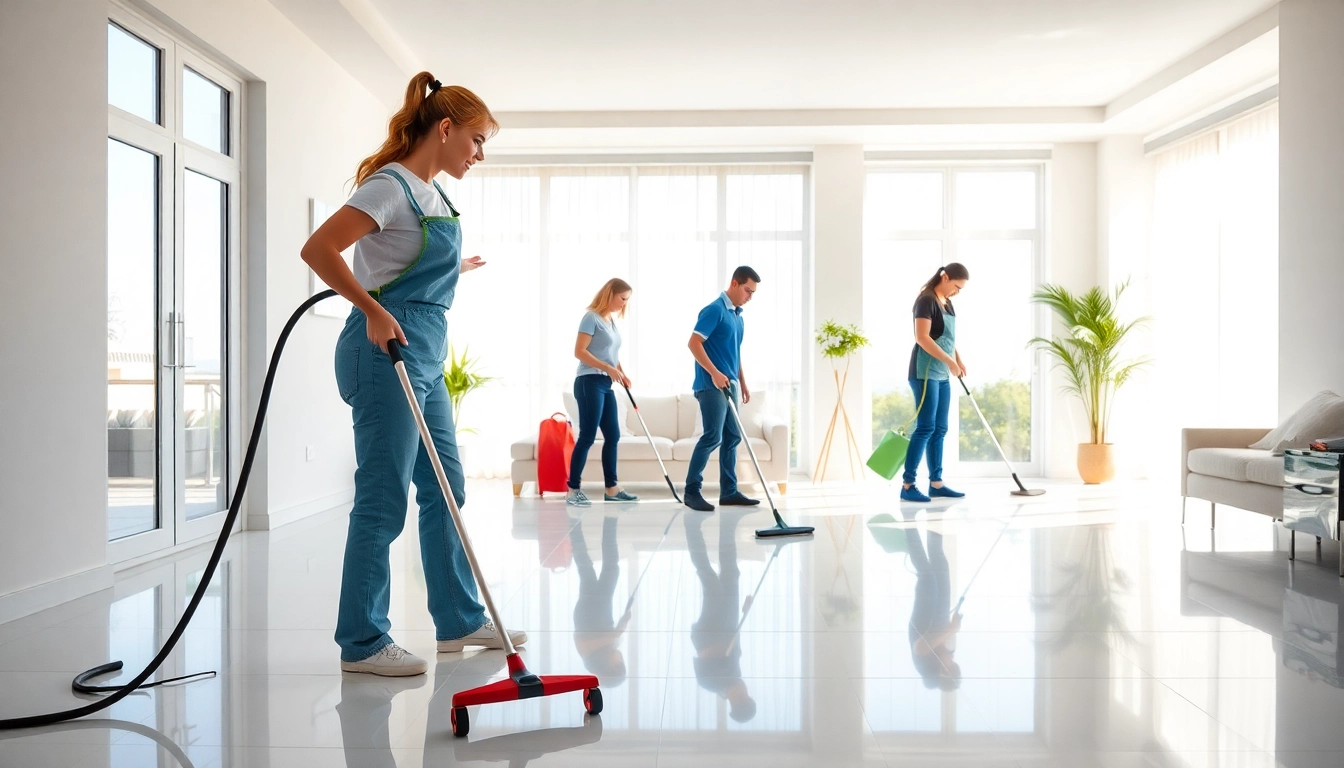
Understanding Bond Cleaning and Its Importance
What is Bond Cleaning?
Bond cleaning, often referred to as end-of-lease cleaning, is an extensive cleaning process that tenants undertake before vacating a property. This type of cleaning goes beyond regular cleaning tasks, requiring a detailed, thorough approach to ensure that the property is left in pristine condition. The key goal of bond cleaning is to meet the landlord’s standards and secure the full return of the rental deposit, or bond, which is typically held at the start of a lease as security against potential damages or unpaid rent.
Whether you are moving into a new space or vacating an old one, understanding the ins and outs of Bond cleaning will save you both time and money. A comprehensive bond clean typically includes every corner of the property, including hard-to-reach areas that might have been overlooked during routine cleaning. This attention to detail can significantly impact the condition of the property upon inspection.
Why is Bond Cleaning Necessary?
Most rental agreements require bond cleaning to be conducted at the end of the lease. The primary reason for this necessity is the expectation that tenants return the property in similar condition as it was received—barring reasonable wear and tear. Landlords and property managers often conduct stringent inspections post-tenancy to evaluate the property’s state. A clean property not only helps secure the return of the bond but also establishes a good rental history that can be beneficial for future leases.
Failing to adequately bond clean can result in partial or total loss of the bond, often due to the presence of dirt, stains, or damage left unbeknownst to the tenant. Moreover, landlords might impose additional cleaning fees if they find the property unsatisfactory. Therefore, investing in bond cleaning is a strategic decision that ensures financial protection during a property transition.
Typical Bond Cleaning Checklist
While bond cleaning can differ from property to property, a typical checklist may include the following essential tasks:
- Deep cleaning of all carpets, including shampooing or steam cleaning.
- Thorough kitchen cleaning, focusing on appliances such as the oven, refrigerator, and dishwasher.
- Bathroom sanitation, including tiles, toilets, showers, and mirrors.
- Dusting and wiping all surfaces, including baseboards, light switches, and door handles.
- Removing cobwebs and dust from corners, ceilings, and fans.
- Cleaning windows including frames and sills, ensuring they are streak-free.
- Final touch-ups of paintwork, if necessary, to remove any marks or stains.
- Checking for residual items and properly disposing of any rubbish.
Preparing for Bond Cleaning: Key Steps
Tips to Organize Your Space
Preparation is key when it comes to bond cleaning. Start organizing your space by decluttering rooms and removing any personal belongings. This will not only make the cleaning process smoother but also enable you to identify areas that require extra attention. Consider sorting items into categories: things to keep, donate, and trash. By doing this, you will ensure that you leave behind a property that is completely empty, which is essential for a thorough clean.
Gathering Necessary Cleaning Supplies
Before you dive into the cleaning process, it's essential to gather all necessary cleaning supplies. A well-stocked toolkit makes work more efficient. Some common materials you’ll need include:
- All-purpose cleaner.
- Glass cleaner.
- Microfiber cloths.
- Sponges and scrub brushes.
- Broom, mop, and vacuum cleaner.
- Trash bags.
- Specialty items for specific tasks (e.g., grill cleaner for the oven).
Scheduling the Best Time for Cleaning
Timing your bond clean is another critical aspect. Ideally, schedule the cleaning just before the final inspection date to allow for any last-minute touch-ups. Keep in mind that it's essential to allocate sufficient time for thorough cleaning—consider that large homes may require multiple days to clean properly. Be sure to inform your landlord or property manager about the cleaning schedule, as they may want to be present for the final inspection.
Common Bond Cleaning Areas to Focus On
Kitchen: Key Cleaning Tasks
The kitchen is often the most critical area in a bond clean due to the potential for grease and grime accumulation. Here are the key tasks to focus on:
- Empty and clean out all cabinets and drawers.
- Thoroughly clean the oven, including the interior and exterior surfaces.
- Wipe down surfaces, including countertops, stoves, and backsplashes, to remove any food residues.
- Clean appliances like the microwave and dishwasher.
- Sanitize the sink and surrounding areas to eliminate bacteria.
Bathrooms: Essential Tips
Bathrooms often require specialized cleaning due to the presence of mould and soap scum. Focus on:
- Scrubbing the shower, bathtub, and toilet to remove stains and germs.
- Cleaning mirrors and any glass surfaces to ensure clarity.
- Sanitizing sinks and faucets.
- Ensuring that all tiles and grout are clean and free of mold.
Living Areas: What to Clean
For living areas, the following tasks are essential:
- Vacuum and clean all carpets, rugs, and upholstery.
- Dust and wipe down furniture, shelves, and surfaces.
- Remove any cobwebs from corners and ceilings.
- Clean windows and ensure they are streak-free.
Professional Bond Cleaning vs. DIY Approach
Benefits of Hiring Professionals
While some may consider a DIY bond cleaning approach, hiring a professional service offers distinct advantages. Professional cleaners bring expertise and specialized equipment that can save you time and energy. They are trained to handle specific cleaning challenges, ensuring that every area meets the necessary standards of cleanliness for inspections. Moreover, professionals often have access to industrial-grade cleaners that can tackle difficult stains and grime more effectively than typical household supplies.
When to Consider a DIY Approach
In some cases, a DIY approach may be beneficial, especially if you are confident in your cleaning ability and have the time to dedicate to it. However, this option is best for smaller properties or if your bond is minor. If you have only basic cleaning to do or if your property isn’t heavily soiled, handling the cleaning yourself may suffice while saving money.
Cost Comparison of Different Options
The cost of bond cleaning varies, depending on whether you choose to hire professionals or do it yourself. Professional cleaners may charge anywhere from $150 to $500 based on the size of the property, location, and the extent of cleaning required, while DIY costs will primarily involve cleaning supplies. When considering costs, weigh both the financial expenses and the value of your time to determine the best approach for your circumstances.
Post-Cleaning: Ensuring Satisfaction
Final Inspection: What to Look For
After completing the bond cleaning, conducting a final inspection is crucial. Walk through the property with a checklist to ensure all tasks have been accomplished. Pay special attention to areas that are commonly overlooked, such as inside cupboards, behind appliances, and window tracks. This proactive approach allows you to rectify any overlooked details before the final inspection by your landlord or property manager.
Handling Disputes with Property Managers
In the unfortunate event of a dispute with your landlord regarding the bond return, it’s paramount to remain calm and professional. Document your cleaning process with photographs and receipts of any work done by professionals. If disputes arise, you may be entitled to a mediation process or small claims tribunal. Knowing your rights and having evidence of your efforts can significantly assist in resolving issues amicably.
Frequently Asked Questions about Bond Cleaning
1. What is included in bond cleaning?
Bond cleaning includes a thorough deep clean of the entire property, focusing on kitchens, bathrooms, living rooms, and all surfaces, ensuring cleanliness meets rental standards.
2. How long does bond cleaning take?
The duration of bond cleaning varies based on size and conditions, ranging from a few hours for small apartments to several days for larger homes.
3. Can I do bond cleaning myself?
Yes, you can do bond cleaning yourself. However, it requires substantial effort and time to ensure every detail meets the property's cleaning requirements.
4. Will professionals guarantee my bond return?
While professional cleaners cannot guarantee bond return, their expertise usually meets or exceeds the standards required by property managers.
5. How do I choose a good bond cleaning service?
Look for services with positive reviews, thorough checklists, and clear terms regarding satisfaction guarantees and bonds. Always request quotes and compare prior to deciding.