Understanding the Importance of Fence Cleaning
Fence cleaning is an essential part of home maintenance that is often overlooked. Many homeowners may not realize the extent to which a clean fence can enhance their property's aesthetic appeal and longevity. Through Fence Cleaning, one can not only preserve the fence's integrity but also improve the overall curb appeal of the home. This article will dive deep into the significance of maintaining clean fences, the different cleaning methods available, and how to keep your fence looking its best for years to come.
The Role of Fence Cleaning in Home Maintenance
Fences often endure harsh weather conditions, from relentless sun to heavy rains, and can accumulate dirt, algae, mildew, and other elements that can compromise both their appearance and structure. Regular cleaning removes these damaging elements, thereby prolonging the lifespan of the fence. A clean fence also signifies a well-maintained property, which can add value if you ever choose to sell your home. Moreover, taking care of your fence is a reflection of your commitment to maintaining your property as a whole.
Common Fence Materials and Their Cleaning Needs
Fences come in various materials, each with different cleaning requirements:
- Wood: This material tends to become discolored due to mold and mildew. Regular cleaning with gentle solutions can prevent rot.
- Vinyl: Vinyl fences are low maintenance; a simple soapy water wash can keep them looking new.
- Metal: Metal fences should be cleaned and treated for rust prevention. Non-corrosive cleaners and regular inspections are essential.
- Chain Link: These fences usually only require a hose down occasionally, but trapped debris should be cleared to prevent rust.
Benefits of Regular Fence Cleaning
Investing time in regular fence cleaning yields numerous benefits. Some key advantages include:
- Increased Longevity: Regular maintenance can significantly extend the life of your fence by preventing the degradation of materials.
- Enhanced Aesthetics: A clean fence adds to the visual appeal of your property, making it more inviting.
- Mold and Mildew Prevention: Regular cleaning prevents the buildup of substances that can lead to rot and decay.
- Improved Safety: Keeping fences free from debris and decay ensures that they remain sturdy and safe.
Choosing the Right Methods for Effective Fence Cleaning
Comparing Pressure Washing and Soft Washing Techniques
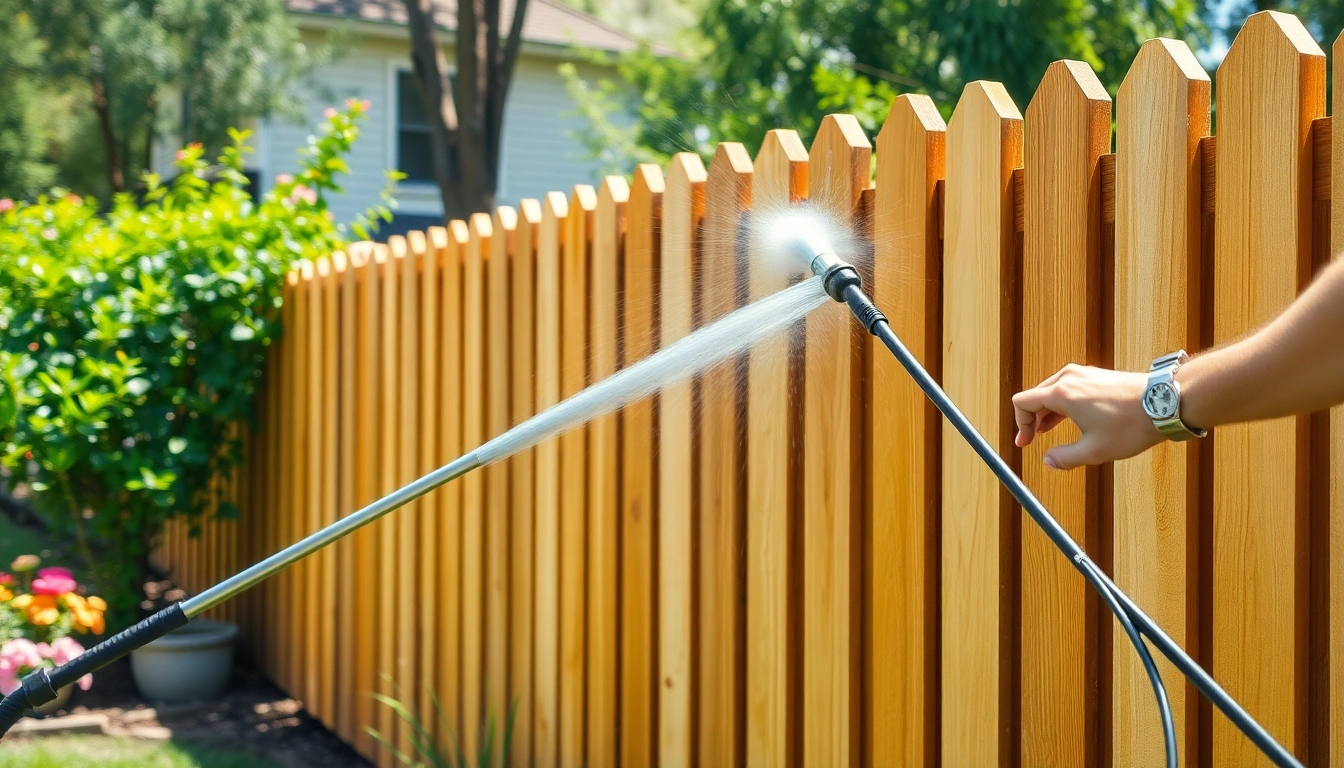
When it comes to cleaning fences, two predominant methods come to the forefront: pressure washing and soft washing. Each has its merits:
- Pressure Washing: High-powered jets effectively remove dirt and grime but can damage softer materials such as wood if not used correctly.
- Soft Washing: This method employs low pressure combined with biodegradable cleaning solutions. It’s safer and often more effective for sensitive surfaces like wood and vinyl fences.
When selecting a method, consider the type of fence material, how dirty it is, and any existing damage. For instance, wooden fences often benefit from soft washing due to the risk of splintering with high pressure.
Homemade vs. Commercial Cleaning Solutions
Homeowners frequently face the choice between using homemade solutions and commercially available fence cleaners. Homemade solutions typically consist of:
- Bleach and Water: Effective against mold and algae; however, it can discolor wood.
- Vinegar Solutions: A natural disinfectant that can help break down grime without damaging the fence material.
On the other hand, commercial cleaners may come formulated for specific materials, offering ease of use and often quicker results. Nevertheless, they may contain harsher chemicals that can adversely affect plants and shrubs nearby.
Eco-Friendly Cleaning Options for Wooden Fences
For environmentally conscious homeowners, employing eco-friendly cleaning methods is both responsible and effective. Consider these options:
- Baking Soda Paste: Mixing baking soda with water creates an eco-friendly paste that effectively removes stains.
- Hydrogen Peroxide: A natural disinfectant that can eliminate algae and mold.
- Castile Soap: A gentle soap that works well for general cleaning without harming the environment.
Using such natural cleaners not only safeguards the surrounding flora but also promotes a healthy ecosystem.
When to Schedule Professional Fence Cleaning
Signs That Indicate Your Fence Needs Cleaning
Understanding when your fence requires professional cleaning can save you time, money, and effort. Consider looking for:
- Visible mold, mildew, or algae growth
- Stains that don't come off with regular washing
- A noticeable difference in the color or texture of the fence compared to when it was installed
If you notice any of these signs, it may be time to consult with professionals specialized in fence cleaning.
Seasonal Considerations for Fence Maintenance
Seasonal shifts can significantly impact your fence's condition. It is advisable to clean your fence at least once a year, ideally in early spring or fall. Spring cleaning allows you to start fresh for the warmer months, while fall cleaning helps prepare your fence for winter’s harsh weather conditions.
Assessing Cost vs. Value of Professional Services
The cost of hiring professionals for fence cleaning can range significantly based on size, condition, and material. On average, homeowners may pay between $0.30 to $0.80 per square foot. While this may seem like a hefty investment, the long-term benefits—such as increased longevity and enhanced property value—make it worthwhile.
DIY Fence Cleaning: Tips and Best Practices
Essential Tools and Equipment for Effective Cleaning
No matter which cleaning method you choose, having the right tools on hand is vital for effective fence cleaning. Essential tools include:
- Bucket: For mixing cleaning solutions.
- Garden Hose: To rinse off debris and cleaning solutions.
- Soft-Bristled Brush: Perfect for scrubbing without damaging the surface.
- Protective Gear: Gloves and goggles to protect yourself while handling cleaners.
Step-by-Step Guide for DIY Fence Cleaning
- Evaluate the Condition: Check the fence for any damages or weaknesses.
- Mix Your Cleaning Solution: Based on the material type, prepare your cleaning solution.
- Pre-Wash: Use a hose to spray off loose debris.
- Scrub the Fence: Apply your cleaning solution using a soft-bristled brush.
- Rinse: Thoroughly rinse the fence with clean water.
- Inspect: After cleaning, inspect for any needed repairs or maintenance.
Common Mistakes to Avoid During Cleaning
There are several common pitfalls that one should avoid while cleaning fences:
- Using Too Much Pressure: High pressure can damage delicate materials like wood.
- Not Pre-Rinsing: Failing to remove dirt before applying cleaner can lead to ineffective cleaning.
- Ignoring Safety Precautions: Always wear protective gear when using harsh cleaners.
Frequently Asked Questions About Fence Cleaning
How much does it cost to get your fence cleaned?
The cost varies based on the size of the fence and its condition, averaging between $0.30 to $0.80 per square foot.
How often should I clean my fence?
It's ideal to clean your fence at least once a year, specifically in spring or fall.
Is DIY fence cleaning effective?
Yes, DIY cleaning can be effective with the right techniques and tools, although professional services may offer deeper cleaning.
Can I use bleach on my wooden fence?
Using bleach can effectively remove mold but may discolor the wood. Consider alternatives for less damage.
How long does a fence cleaning take?
A typical fence cleaning can take 2 to 4 hours, depending on the size and condition of the fence.