Understanding Bed Bug Heat Treatment
What is Bed Bug Heat Treatment?
Bed bug heat treatment is a highly effective method of pest control designed to eradicate bed bugs using elevated temperatures. This non-chemical approach involves raising the ambient temperature in an infested area to levels lethal for all life stages of bed bugs, including eggs, nymphs, and adult bugs. Specifically, temperatures in the range of 130-140°F (54-60°C) are commonly targeted. By incorporating specialized equipment such as thermal heaters and fans, heat treatment disrupts the bed bug's vitality and ensures thorough penetration in various types of furniture, textiles, and wall voids. As a chemical-free method, bed bug heat treatment has gained popularity due to its effectiveness and safety for humans and pets.
How Does Heat Kill Bed Bugs?
Heat kills bed bugs by inducing thermal shock to their bodies. At elevated temperatures, the protein and structural integrity of the pests begin to break down, ultimately leading to their death. Bed bugs, along with their eggs, cannot tolerate extreme heat and will typically die when exposed to temperatures of 130°F (54°C) or higher for a sustained period. Generally, maintaining such temperatures for 1 to 3 hours is sufficient to ensure a successful treatment. This method is advantageous because it targets every stage of the bug’s life cycle, making it impossible for them to recover.
Advantages of Using Heat for Bed Bugs
There are several compelling benefits to utilizing heat treatment for bed bug extermination, including:
- Effectiveness: Heat treatment can kill bed bugs at all life stages, including larvae and eggs, providing a comprehensive solution for infestation.
- Chemical-Free: This method eliminates the risks associated with toxic chemicals, making it a safer option for homes with children and pets.
- Speed: Heat treatments can often be completed in one day, allowing residents to return to their normal lives quickly.
- Minimal Disruption: Unlike traditional treatments, they create less mess and often do not necessitate significant furniture movement.
- Long-Lasting Results: When done correctly, heat treatment reduces the likelihood of reinfestation due to its thoroughness.
Preparing for Bed Bug Heat Treatment
Steps to Prepare Your Home
Preparing your home for bed bug heat treatment ensures maximum effectiveness and safety. Here is a step-by-step guide:
- Declutter: Clear out as many unnecessary items as possible from the treatment area. This includes clothes, books, and other belongings that may hinder the process.
- Remove Heat-Sensitive Items: Take out items that can be damaged by heat, such as candles, electronics, and plants.
- Secure Personal Belongings: Seal clothing and linens in plastic bags to protect them from potential heat exposure.
- Inform Residents: Notify all occupants of the home, including pets, that they need to vacate for the duration of the treatment.
- Check Appliances: Ensure that all appliances are unplugged to prevent potential hazards during treatment.
Identifying Infestation Areas
Before treatment, it is vital to identify the infestation areas to ensure adequate heat penetration. Common places where bed bugs harbor include:
- Cracks and crevices in walls and floors
- Bed frames, mattresses, and box springs
- Behind bedroom furniture, such as nightstands and dressers
- Clothing stored in closets and drawers
- Baseboards and electrical outlets
A thorough inspection provides an accurate assessment of where heat needs to be concentrated for thorough eradication.
Safety Measures During Treatment
Ensuring safety during bed bug heat treatment is crucial. Here are several tips to consider:
- Evacuate the Area: It's essential that everyone, including pets, vacate the premises during the treatment.
- Monitor Temperature: Technicians should continually monitor the temperature throughout the area to ensure it remains within the lethal range.
- Protect Valuable Items: While heat is effective, valuable items like antiques or delicate fabrics should be relocated to avoid damage.
- Inform Neighbors: If living in an apartment complex, informing neighbors may help in the treatment of potential shared infestations.
Implementing Bed Bug Heat Treatment
How to Conduct Heat Treatment
The heat treatment process generally involves the following steps:
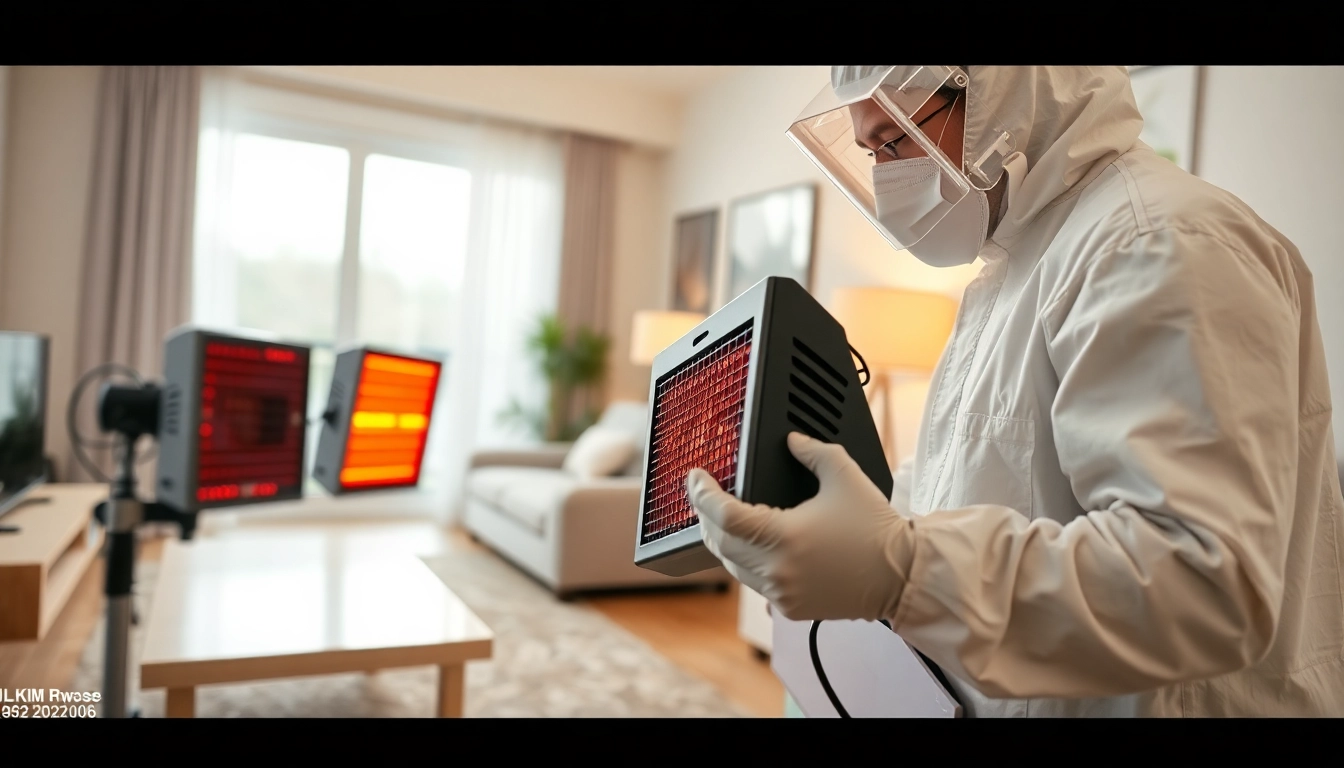
- Set-Up: Professionals will set up heaters and fans in various locations of the affected area to circulate the heat evenly.
- Temperature Monitoring: Continuously monitor temperatures using sensors placed throughout the treatment area.
- Duration: Maintain temperatures of at least 130°F for several hours, usually between 6 to 8 hours, depending on the severity of the infestation.
- Post-Treatment Assessment: Conduct visual inspections after treatment to identify any remaining bed bugs and ensure effective eradication.
Choosing the Right Equipment
Selecting suitable equipment is crucial to the success of bed bug heat treatment. Key equipment types include:
- Heaters: High-capacity heaters designed specifically for pest control. They can effectively raise ambient temperatures in an entire room or area.
- Fans: Industrial-grade fans work alongside heaters to evenly distribute heat, ensuring that all areas reach the desired temperature.
- Temperature Sensors: Equipped to monitor and record temperature fluctuations, these are essential for confirming that lethal temperatures are consistently maintained.
Using high-quality appliances increases the likelihood of successful eradication and minimizes risk factors during the process.
Common Mistakes to Avoid
To enhance the likelihood of successful bed bug heat treatment, avoid the following errors:
- Not Prepping the Area: Failing to declutter or secure items can lead to ineffective heat penetration.
- Overlooking Monitoring: Neglecting to monitor temperatures can result in failure to achieve lethal temperatures.
- Insufficient Duration: Ending the treatment too early may leave surviving bugs and eggs.
- Skipping Follow-Up: Not having a follow-up plan could allow any remaining bed bugs to repopulate.
Aftercare Following Bed Bug Heat Treatment
Post-treatment Cleaning Guidelines
After the heat treatment is completed, implementing proper aftercare is essential. Here are recommended cleaning guidelines:
- Wait 24 Hours: Allow sufficient time for the area to cool before undertaking any cleaning.
- Laundering Fabrics: Wash bed linens, clothing, and any upholstered items in hot water to kill any remaining bugs.
- Vacuum Thoroughly: Vacuum carpets, upholstery, and cracks or crevices to remove dead bugs and eggs.
- Inspect Regularly: Monitor the treated areas for signs of reinfestation to catch any potential resurgence early on.
Monitoring for Reinfestation
After treatment, continuous monitoring is necessary to ensure a persistent bed bug-free environment. Consider implementing the following:
- Bed Bug Monitors: Engage passive traps or monitors to detect any bed bugs that may have gone unnoticed.
- Regular Inspections: Conduct monthly inspections for at least six months following treatment to verify the absence of bed bugs.
- Educate Residents: Inform all occupants about checking for bites or signs of bed bugs to improve early detection.
When to Schedule Follow-up Treatments
Follow-up inspections and treatments may be necessary, particularly if the initial infestation was severe. Schedule a follow-up treatment if:
- Signs of bed bugs reappear within the first year.
- Monitoring traps or catchers indicate new activity.
- Residents report any bites or sightings.
It’s important to be proactive and not let small signs progress into larger infestations. Prompt follow-up can save significant time and money.
FAQs About Bed Bug Heat Treatment
Is heat treatment safe for my home?
Yes, bed bug heat treatment is safe when handled professionally and can effectively eliminate bed bugs at all life stages.
How long does bed bug heat treatment take?
Typically, bed bug heat treatment lasts 6-8 hours, but may vary based on the severity of the infestation and property size.
Can I stay at home during the treatment?
It's recommended to vacate the premises during the heat treatment to ensure safety and effectiveness of the process.
What temperatures are used in heat treatment?
Heat treatments typically raise temperatures to 130-140°F, which is lethal for bed bugs and their eggs.
How is effectiveness measured post-treatment?
Post-treatment, effectiveness can be measured through visual inspections and monitoring devices to ensure beds and furniture are bug-free.