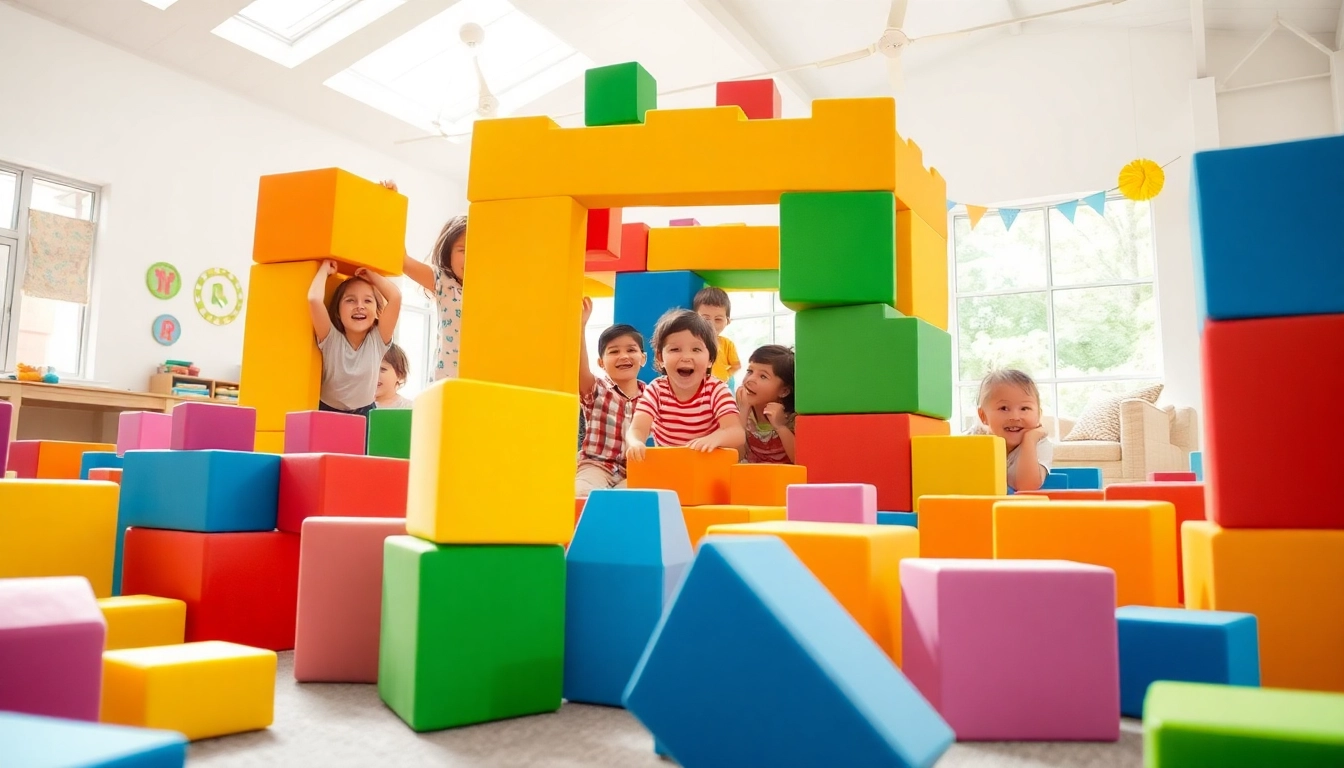
Introduction to Giant Foam Building Blocks
In the realm of children's play, creativity and imaginative construction reign supreme. One of the most engaging and versatile toys that facilitate this kind of playful learning is the giant foam building block. These soft, lightweight pieces not only inspire children to explore their creativity but also build essential skills such as coordination, spatial awareness, and teamwork. As parents and educators seek innovative ways to enhance playtime, understanding the myriad benefits of giant foam building blocks becomes increasingly vital. To find out more, let's delve into the world of foam blocks, examining their benefits, different types, and how to create a safe play environment.
Benefits of Foam Blocks for Kids
Foam building blocks are more than just fun; they provide numerous developmental benefits for young children. These benefits include:
- Enhancing Motor Skills: The tactile nature of foam blocks requires children to grasp, stack, and balance pieces, which aids in the development of fine and gross motor skills.
- Promoting Spatial Awareness: As children manipulate the blocks, they learn about space, dimensions, and the concepts of balance and gravity.
- Stimulating Imagination and Creativity: Foam blocks encourage open-ended play, allowing kids to create anything from towering castles to unique sculptures.
- Fostering Social Skills: Building and playing together enhances teamwork, communication, and problem-solving skills among peers.
- Encouraging Problem-Solving: As children face challenges during play, they enhance their critical thinking and decision-making abilities.
Types of Foam Building Blocks
Foam building blocks come in various shapes, sizes, and colors, each offering unique play opportunities. Here’s a closer look at some common types:
- Standard Blocks: Traditional square and rectangular blocks in a rainbow of colors can be used for basic stacking and building.
- Sculptural Blocks: Irregularly shaped pieces that encourage creativity, allowing for abstract designs and structures.
- Textured Blocks: Featuring various textures, these blocks provide sensory experiences and additional challenges during play.
- Weighted Blocks: Denser foam blocks can add stability to structures, offering children the chance to experiment with balance and support.
- Themed Sets: Designed to evoke specific scenarios (e.g., castles, vehicles), these sets can spark thematic and narrative play.
Setting Up a Safe Play Environment
Creating a safe and accessible play environment is crucial for the enjoyment and safety of children using foam blocks. Here are essential tips:
- Choose a Suitable Location: A spacious, flat area with plenty of soft surfaces is ideal. Consider using play mats or carpets to cushion any falls.
- Organize Play Materials: Keep foam blocks well organized in storage bins or shelves to allow easy access for children and encourage independent play.
- Minimize Distractions: Reducing clutter and distractions in the play area can help kids focus on their building projects.
- Monitor Play: Regular supervision ensures children play safely, especially in collaborative settings where larger structures can tip over.
- Promote Ground Rules: Establishing simple rules about sharing and gentle play can enhance the experience and reduce conflicts among children.
How to Inspire Creativity with Foam Blocks
Foam blocks can be a powerful tool for stimulating creativity in children. Here’s how you can inspire this creativity:
Creative Building Challenges for Children
Implementing structured building challenges can add excitement to playtime. Here are some ideas:
- Time Challenges: Set a timer and see who can build the tallest structure or the most complex design within a time limit.
- Specific Structures: Challenge children to create a specific object, like a bridge or a tower, encouraging them to think critically about design and balance.
- Collaboration Challenges: Have teams work together to complete projects, fostering teamwork and communication skills while sparking creativity.
Incorporating Themes in Playtime
Themes can elevate the imaginative play experience. Ideas for thematic connections include:
- Adventure Stories: Incorporate a storyline where children recreate scenes from their favorite tales or invent their adventures.
- Nature Focus: Have children create environments like forests, oceans, or habitats representing various wildlife.
- Cultural Inspirations: Explore architectural styles from around the world, prompting kids to construct iconic structures relevant to different cultures.
Using Foam Blocks to Develop Problem-Solving Skills
Problem-solving isn't just for advanced thinkers; children can practice these skills daily through play. Here’s how foam blocks can facilitate this:
- Building Dynamics: As children build, they encounter challenges like structures collapsing or pieces not fitting, allowing them to hypothesize solutions and retry methods.
- Design Considerations: Kids will learn about balance and weight distribution, providing a practical context for scientific principles.
- Creativity within Constraints: Offer limited materials and challenge children to make the best use of them, enhancing innovative thinking.
Safety Considerations for Foam Block Play
While foam blocks are designed for safe play, certain considerations ensure a fun, risk-free experience. Here’s what to keep in mind:
Choosing the Right Materials
Opt for high-quality foam blocks that are non-toxic and free of harmful chemicals. Here’s what to look for:
- Certification: Look for products that meet safety standards and certifications, indicating they’re safe for children.
- Durability: Choose blocks that can withstand rough play without breaking down or becoming a hazard.
- Easy to Clean: Select foam blocks that can be easily wiped clean, helping maintain hygiene during play.
Supervising Play Activities
Monitoring children during play is vital for ensuring their safety. Consider these strategies:
- Age Groups: Ensure children are grouped by similar age for appropriate supervision and play activities.
- Designated Play Areas: Establish designated zones for foam block play to limit the risk of accidents with other toys or play equipment.
- Encouragement of Safe Practices: Teach children how to handle blocks properly and reinforce concepts like stacking safely.
Maintaining Hygiene and Cleanliness
The importance of hygiene cannot be overstated, especially in shared play settings. Here’s how to maintain cleanliness:
- Regular Cleaning Schedule: Implement a routine to disinfect foam blocks regularly to minimize germs and allergens.
- Material-Specific Cleaning: Use suitable cleaning solutions that won’t damage the foam while effectively removing dirt and bacteria.
- Encourage Handwashing: Promote hygiene practices like handwashing before and after play to foster healthy habits among children.
Engaging Activities to Try with Foam Blocks
To maximize playtime fun with foam blocks, consider incorporating the following engaging activities:
Block-Stacking Competitions
These competitions provide high-energy and excitement. Here’s how to organize them effectively:
- Individual vs. Team: Decide if participants will compete individually or as part of a team, each presenting their unique creations.
- Various Scoring Categories: Create a scoring system that highlights creativity, height, and stability to encourage diverse approaches.
- Celebrating Efforts: Acknowledge everyone’s participation, reinforcing a supportive environment that values creativity over competition.
Collaborative Building Projects
Collaborative efforts can enhance social interaction and teamwork. Consider these strategies:
- Group Structures: Have children work together to construct large-scale projects such as a castle or a community landscape.
- Mixed Groups: Combine age groups or skill levels to challenge children and promote mentorship and peer learning.
- Discussion and Planning: Encourage preliminary discussions about what to build, leading to planned roles within the project.
Storytelling and Role-Playing with Blocks
Transforming block play into storytelling enhances imagination. Here’s how to incorporate this aspect:
- Setting the Scene: Build a physical representation of the story setting, allowing children to visually engage with the narrative.
- Role Assignments: Give children specific roles linked to the story, engaging them in creative dialogues and interactions.
- Performance Opportunities: Create performance time for children to share their stories with others, promoting presentation and communication skills.
Top FAQs About Giant Foam Building Blocks
What age is suitable for foam building blocks?
Foam building blocks are generally suitable for children aged 1 and up, providing safe play for toddlers and preschoolers.
Are foam blocks easy to clean?
Yes, most foam blocks are easy to clean with a damp cloth and mild soap, ensuring a hygienic play environment.
What activities can kids engage in?
Kids can engage in stacking, building, and role-playing activities, promoting creativity and teamwork.
How do foam blocks promote development?
Foam blocks develop motor skills, spatial awareness, and problem-solving abilities through playful engagement.
Can foam blocks be used outdoors?
While designed mainly for indoor use, some foam blocks are durable enough for supervised outdoor play.