Understanding Containerized Wastewater Treatment Systems
As environmental concerns continue to rise and urbanization expands, the need for efficient wastewater management solutions becomes more pressing. Containerized wastewater treatment systems offer innovative, flexible, and pre-engineered solutions tailored for various water treatment challenges. These systems are designed for rapid deployment and can effectively manage everything from domestic sewage to complex industrial effluent. In the current landscape of wastewater treatment, where quick and adaptable responses are essential, containerized wastewater treatment stands out as a viable solution, providing operational flexibility within a compact, transportable footprint.
What is Containerized Wastewater Treatment?
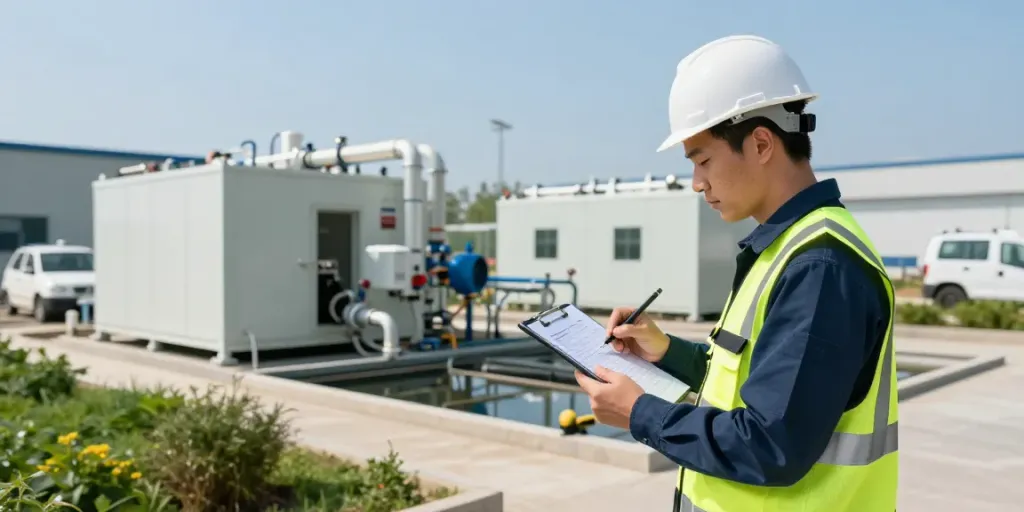
Containerized wastewater treatment refers to the integration of wastewater treatment technology within standardized shipping containers. These modular systems are engineered to provide a complete treatment process in a compact form. Typically housed within 20- or 40-foot containers, these systems are designed to be readily transportable, allowing for quick relocation and installation. The use of these containerized solutions makes them highly suitable for various applications, including temporary installations in disaster relief scenarios, military operations, or remote locations lacking traditional infrastructure. This approach combines cutting-edge treatment methods with the convenience of modular design.
Key Components and Functionality
The effectiveness of containerized wastewater treatment systems is attributed to their carefully designed components. These may include:
- Pre-treatment units: These remove larger solids and sediments from wastewater to reduce the load on the treatment processes that follow.
- Treatment tanks: These are where biological and chemical processes occur, such as aeration and filtration, to treat the wastewater.
- Disinfection modules: After treatment, disinfection units ensure that pathogenic microorganisms are eliminated before the treated water is released or reused.
- Control systems: Advanced monitoring and control technologies are integrated to optimize the operation and ensure compliance with environmental standards.
Together, these components enable efficient and effective treatment of various types of wastewater, providing a complete solution from influent to effluent.
Comparative Analysis with Traditional Systems
When comparing containerized wastewater treatment systems to traditional treatment plants, several significant differences emerge. Traditional plants often require extensive construction, fixed locations, and long timelines for deployment. In contrast, containerized systems offer remarkable flexibility. They can be rapidly deployed in under 48 hours and can adapt to various site conditions, making them ideal for temporary or emergency situations. Additionally, traditional systems may face challenges with scalability, while modular containerized units can be easily expanded by adding more containers as demand increases. This adaptability not only meets the immediate needs but also accommodates future growth.
Advantages of Containerized Wastewater Treatment
Rapid Deployment and Installation Benefits
One of the standout features of containerized wastewater treatment systems is their ability to be deployed quickly. Standard shipping containers can be transported via flatbed trucks and require minimal onsite assembly. Generally, the installation process takes one to two days, which is a significant advantage in emergency situations or areas with urgent water treatment needs.
Operational Flexibility in Various Applications
Containerized systems are designed to meet diverse operational requirements, making them suitable for a wide range of applications, including:
- Temporary site operations: Ideal for construction sites, events, and festivals needing short-term wastewater management.
- Disaster response: Rapidly deployable systems can assist communities affected by natural disasters.
- Industrial operations: Tailored solutions for factories and businesses that generate wastewater as part of their operations.
This operational flexibility sets them apart from traditional systems, allowing users to customize the treatment processes to their specific needs.
Compliance with Environmental Standards
In today’s regulatory environment, ensuring compliance with environmental standards is paramount for any wastewater treatment solution. Containerized systems are engineered to meet and exceed local and international regulatory requirements. They utilize advanced treatment technologies that can effectively reduce pollutants such as nitrogen, phosphorus, and pathogens, thus ensuring that effluent released from these systems meets stringent standards for environmental safety.
Challenges and Considerations
Cost Implications in Implementation
While containerized wastewater treatment systems offer many benefits, potential users must also consider the financial aspects. Initial costs may be higher than traditional systems, but the overall cost-effectiveness can be evaluated through reduced labor, maintenance, and operational expenses over time. Additionally, the speed of deployment can lead to significant savings in project timelines, making containerized solutions an attractive option for many businesses and municipalities.
Common Misconceptions about Containerized Solutions
There are several misconceptions surrounding containerized wastewater treatment systems. One common belief is that these systems are only suitable for small-scale operations. However, advancements in technology have led to the development of large-scale containerized solutions capable of handling significant volumes of wastewater. Another misconception is that they are less reliable than traditional systems; in reality, many containerized units are equipped with robust features that ensure their reliability and performance.
Maintenance Requirements and Best Practices
Maintaining containerized wastewater treatment systems is crucial for optimal performance. Best practices include regular inspections, routine maintenance of mechanical components, and adherence to the manufacturer’s guidelines. Training staff on operational procedures and establishing a maintenance schedule are also essential steps in ensuring longevity and efficiency.
Case Studies and Real-World Applications
Successful Deployments in Remote Areas
Containerized wastewater treatment systems have proven invaluable in various real-world scenarios. For instance, during a humanitarian crisis in a remote region, a modular system was deployed to provide potable water through effective treatment of sewage. This not only improved local sanitation but also contributed to public health and safety.
Urban Applications and Environmental Impact
Urban environments can also significantly benefit from containerized systems. Some cities have implemented these solutions in urban planning initiatives to manage additional wastewater generated by population growth. By integrating these systems into existing infrastructures, municipalities can mitigate environmental impacts and enhance water conservation efforts.
Lessons Learned from Industry Experts
Industry experts highlight the importance of thorough site assessments and community engagement when deploying containerized wastewater treatment systems. Understanding local conditions and stakeholder needs can lead to more successful implementations and operational efficiencies. Moreover, ongoing training and support for operators ensure that these systems function optimally throughout their lifespan.
The Future of Wastewater Treatment Technologies
Innovations on the Horizon for 2026
The future of wastewater treatment holds exciting possibilities, particularly for containerized solutions. Innovations in biotechnologies, such as the use of beneficial microbes for enhanced treatment performance and energy recovery systems, are expected to transform wastewater treatment practices. Additionally, advancements in membrane technologies could allow for even greater efficiencies in contaminant removal.
Predicted Trends in Containerized Solutions
Looking ahead, we can anticipate a rise in the adoption of containerized systems as businesses and municipalities increasingly seek adaptable and efficient solutions. Trends may include greater customization options and the integration of renewable energy sources, such as solar power, to further enhance sustainability.
Integration with Smart Technologies
The integration of smart technologies into containerized wastewater treatment systems is another trend to watch. IoT sensors and real-time monitoring systems will enable operators to track performance metrics and optimize treatment processes dynamically. This data-driven approach will also facilitate predictive maintenance, reducing downtime and enhancing operational efficiency.
FAQs
What is a containerized wastewater treatment plant?
A containerized wastewater treatment plant is a modular system that uses standardized shipping containers to house all the necessary treatment components, allowing for efficient and flexible wastewater management.
How much does a containerized wastewater treatment system cost?
The cost of a containerized wastewater treatment system varies based on several factors, including capacity, technology, and features. However, the long-term operational savings often justify the initial investment.
What are the primary uses of containerized wastewater treatment?
These systems are primarily used in temporary sites, remote locations, disaster recovery efforts, and industrial applications, offering versatile solutions to diverse wastewater treatment challenges.
Are containerized systems suitable for all wastewater types?
Containerized systems can handle a wide range of wastewater types, but it's essential to assess the specific treatment requirements for different effluents to ensure optimal performance.
What maintenance is needed for containerized systems?
Routine maintenance involves regular inspections, mechanical upkeep, and adherence to operational guidelines to ensure that the systems function efficiently and maintain compliance with environmental standards.