Understanding Bed Bug Infestations
What are Bed Bugs?
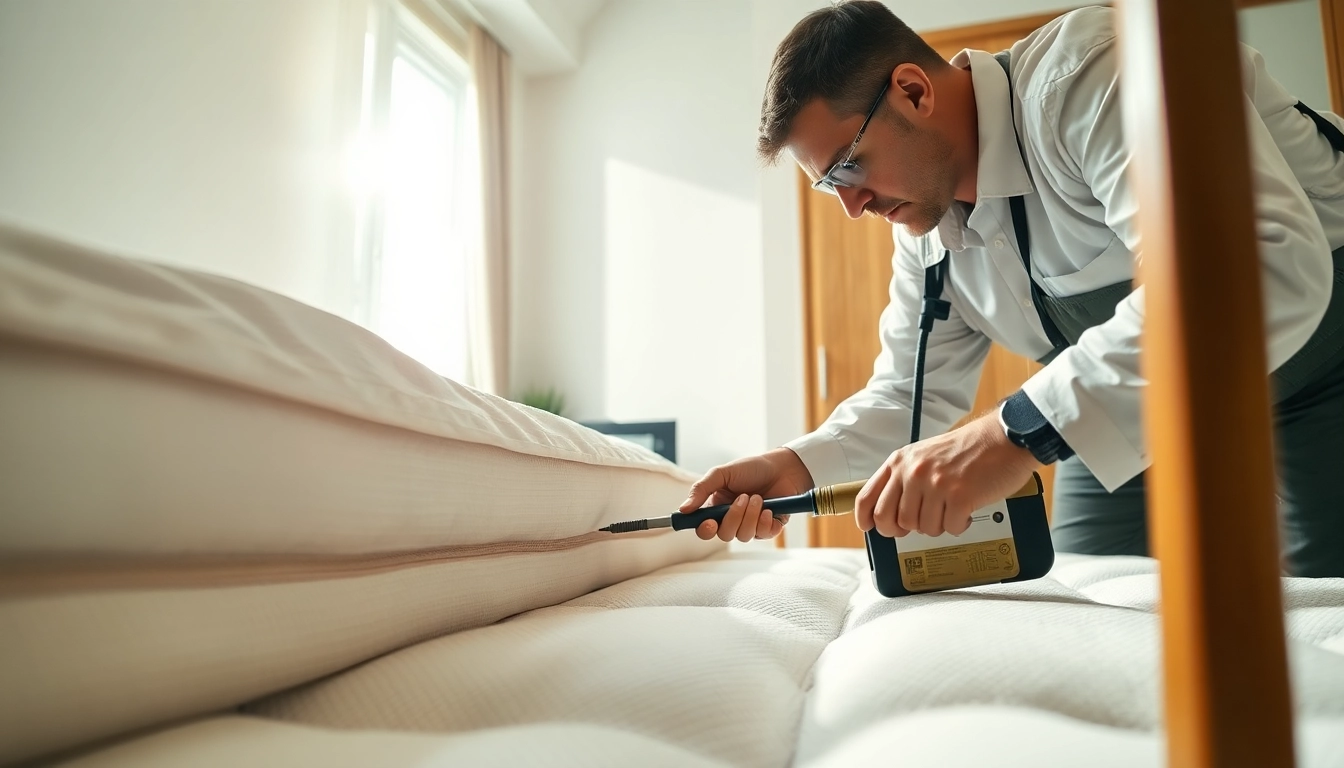
Bed bugs, scientifically known as Cimex lectularius, are small, brownish insects that feed on the blood of humans and animals. Adults are about the size of an apple seed, while juveniles are even smaller. Bed bugs are notorious for their ability to hide in tiny crevices and can survive for several months without feeding. Their flat bodies allow them to easily fit into seams of mattresses, bed frames, and other furniture, which often makes it difficult to detect an infestation.
Signs of an Infestation
Identifying the presence of bed bugs can often be a challenge as they are nocturnal and typically hide during the day. Look for the following signs to confirm an infestation:
- Blood stains on sheets or mattresses, often from crushed bed bugs.
- Dark spots of bed bug excrement on surfaces.
- Presence of shed exoskeletons, as they molt several times before reaching adulthood.
- Itchy, red welts or bites on the skin, typically arranged in a line or cluster.
Common Myths about Bed Bugs
Several myths surround bed bugs that can lead to misinformation about treatment and prevention. Here are a few:
- Myth 1: Bed bugs only infest dirty homes.Fact: Bed bugs can thrive in any environment, regardless of cleanliness.
- Myth 2: You can get rid of them with home remedies.Fact: Professional bed bug treatment is often necessary for effective eradication.
- Myth 3: They are not a health hazard.Fact: While they do not transmit diseases, their bites can lead to secondary infections due to scratching.
Bed Bug Treatment Options
Chemical Treatments Explained
Chemical treatments are one of the most popular methods for eliminating bed bugs. These insecticides are specifically formulated to target bed bugs throughout their life cycle. Products may include:
- Pyrethroids: These are synthetic chemicals that mimic natural insecticides derived from chrysanthemum flowers. They are commonly used but bed bugs may develop resistance over time.
- Neonicotinoids: These affect the nervous system of insects, specifically targeting receptors that are not present in humans and pets.
- Insect Growth Regulators (IGRs): These disrupt the development of juvenile bed bugs, preventing them from maturing and reproducing.
It's essential to follow the manufacturer's instructions carefully and consider hiring professionals who can properly apply these chemicals to avoid any health risks.
Heat Treatments: An Effective Approach
Heat treatment has emerged as one of the most effective methods for eliminating bed bugs. This involves raising the temperature in an infested area to a level lethal for bed bugs (at least 118°F for 90 minutes). Here are some key points regarding heat treatments:
- Highly Effective: Heat can penetrate walls and furniture, effectively reaching bed bugs that hide in crevices.
- Eco-Friendly: Heat treatments use no chemicals, making them a safer option for households with children or pets.
- Fast Results: Many clients see immediate results after treatment, although follow-ups may still be needed to ensure full eradication.
DIY Methods for Bed Bug Treatment
While professional treatment is often the most effective, there are DIY methods that individuals can implement. These methods can be used in tandem with professional solutions:
- Vacuuming: Regularly vacuuming carpets, floors, and furniture can help reduce bed bug populations. Be sure to dispose of vacuum bags immediately.
- Steam Cleaning: A high-temperature steam cleaner can kill bed bugs and their eggs on contact.
- Encasements: Bed bug-proof mattress and box spring encasements can help contain any existing bugs and prevent new ones from infesting.
Preparing for Bed Bug Treatment
Initial Steps to Take
Before treatment begins, it's vital to take several preliminary steps:
- Identify infested areas and items.
- Reduce clutter to eliminate hiding places.
- Wash infested clothing and bedding in hot water, drying them on a high heat setting.
How to Prepare Your Home
Preparing your home properly can enhance the effectiveness of any treatment method:
- Remove items from the infested area and seal them in plastic bags.
- Clear furniture away from walls to allow easier access for exterminators.
- Make sure pets, children, and people with respiratory issues are kept out of treated areas during and after application.
What to Expect During Treatment
Understanding what to expect during the treatment process can ease the anxiety that comes with dealing with an infestation:
- Professional treatments typically take a few hours and may require you to vacate your home.
- You'll receive guidance on post-treatment steps to maximize effectiveness.
- Follow-up inspections and treatments may be necessary to ensure complete eradication.
Post-Treatment Care
Maintaining a Bed Bug-Free Environment
After treatment, it is essential to adopt measures that prevent a re-infestation. Consider the following tips:
- Regularly inspect and vacuum sleeping areas.
- Minimize clutter where bed bugs could hide.
- Be cautious with used or second-hand items, always inspecting them before bringing them into your home.
Monitoring for Reoccurrence
Keep an eye out for any signs of re-infestation, especially in the first few months following treatment. If you notice any symptoms, contact a professional immediately to prevent a larger outbreak.
When to Seek Professional Help
If your DIY attempts fail or the infestation appears to be worsening, it is crucial to seek professional help. They have the tools, training, and expertise necessary to eliminate bed bugs effectively.
Frequently Asked Questions
How do you get rid of bed bugs quickly?
Immediate steps include vacuuming daily and washing all bedding in hot water. Seal any infested items in plastic bags after treatment.
What is the most effective bed bug treatment?
Heat treatment is highly effective as it exterminates all life stages of bed bugs instantly, making it a leading choice among pest control professionals.
Can I treat bed bugs myself?
DIY methods can be helpful for minor infestations, but severe cases typically necessitate professional intervention for complete eradication.
How long does bed bug treatment take?
Treatment sessions may last several hours, but full eradication can take weeks due to the bed bug life cycle.
Will I need multiple treatments for bed bugs?
Yes, several treatments are often necessary to address different life stages of bed bugs and ensure a comprehensive solution.