
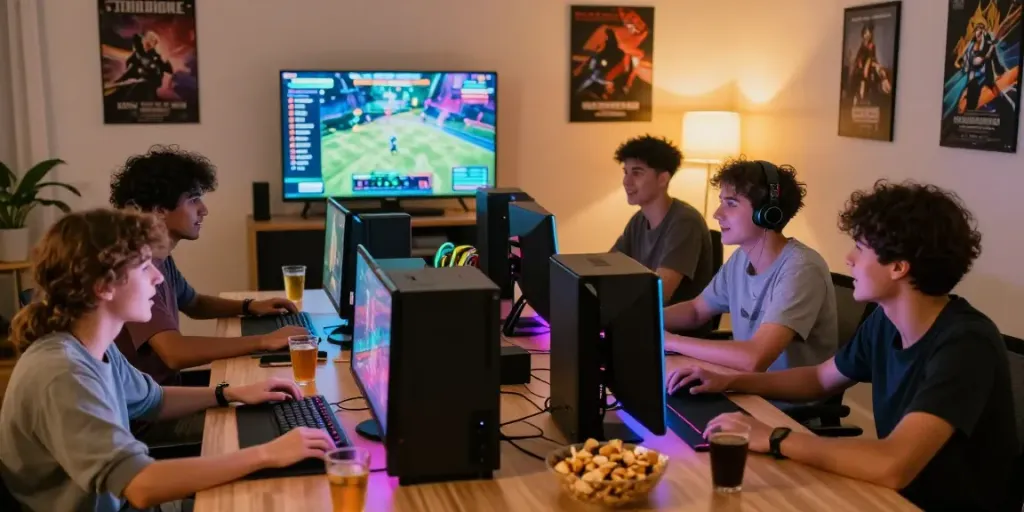
Understanding the Multiplayer Gaming Landscape
The world of multiplayer gaming has seen exponential growth in recent years, propelled by advancements in technology and a surge in online connectivity. As players seek immersive experiences that foster collaboration and competition, the demand for engaging multiplayer games has never been higher. Whether playing with friends or teaming up with strangers, the allure of these games lies in their ability to bring people together across distances. Platforms like Mild88 serve as hubs for discovering exciting multiplayer options, catering to diverse interests and gameplay styles.
What Makes Multiplayer Games Popular?
The popularity of multiplayer games can be attributed to several key factors. Firstly, social interaction is a major draw, allowing players to connect with friends and forge new relationships. Additionally, the competitive aspect of many multiplayer games provides an adrenaline rush, as players strive to outperform opponents. Games like Mobile Legends and PUBG Mobile exemplify this blend of social and competitive elements, creating environments where teamwork is paramount, and victories are celebrated as a group achievement.
Identifying Key Features for Engagement
Successful multiplayer games often share common features that enhance player engagement. These can include intuitive gameplay mechanics, vibrant graphics, and robust community support. Furthermore, the incorporation of seasonal events and regular content updates keeps the gameplay fresh and exciting. Players are more likely to invest time in games that not only challenge them but also offer a sense of belonging within their online communities.
Different Genres of Multiplayer Games
- Action and Shooter Games: Titles like Valorant and Call of Duty emphasize fast-paced gameplay and strategic thinking.
- Role-Playing Games (RPGs): MMORPGs such as World of Warcraft allow players to embark on epic quests together.
- Sports and Racing Games: FIFA and Forza Horizon engage players in competitive sports and racing scenarios.
- Simulation Games: Games like Animal Crossing and The Sims provide a more casual multiplayer experience focusing on creativity and collaboration.
Essential Criteria for Game Selection
Selecting the right multiplayer game requires careful consideration of various factors. When exploring options, mild88 login offers comprehensive insights on popular titles and their specifications, ensuring players find games that fit their needs and preferences.
Determining System Requirements
Before diving into any multiplayer experience, it’s crucial to assess the system requirements of potential games. Players should check the minimum and recommended specifications to avoid performance issues. Games optimized for different platforms, such as mobile devices or PCs, will cater to a broader audience and minimize frustration caused by lag or crashes.
Evaluating Game Accessibility for All Players
Accessibility is a vital aspect of multiplayer gaming. Games that require extensive hardware or have steep learning curves may alienate casual gamers. Ensuring that a game is accessible to all potential players fosters inclusivity and contributes to a larger, more vibrant player base.
Importance of Cross-Platform Play
Cross-platform play is becoming increasingly prevalent, allowing gamers on different devices to interact seamlessly. This feature encourages collaboration among friends who may not own the same console or PC. Titles such as Fortnite have leveraged cross-platform capabilities to expand their reach, making it easier for friends to play together, regardless of their choice of device.
Communication Tools and Team Dynamics
Effective communication is at the heart of successful multiplayer gameplay. Ensuring that players can convey strategies and feedback in real-time significantly enhances team performance.
Enhancing Team Coordination with Voice Chat
Many multiplayer games incorporate built-in voice chat features, allowing players to coordinate effectively during high-stakes moments. This real-time communication can make the difference between victory and defeat, as teams that communicate well tend to perform better. Games like Apex Legends exemplify this with their detailed callouts and communication tools, which facilitate better teamwork.
Utilizing In-Game Indicators for Better Play
In addition to voice chat, in-game indicators such as ping systems and visual cues play a crucial role in coordination. These tools help players relay important information quickly, reducing misunderstandings during critical gameplay moments. The effectiveness of these features contributes to a more enjoyable and responsive gaming experience.
Fostering Stronger Friendships Through Gaming
Multiplayer games not only serve as entertainment but also as a platform for building lasting friendships. By engaging with others in cooperative or competitive settings, players create bonds that can extend beyond the virtual realm. The shared experiences and achievements foster a sense of community, encouraging players to return for more sessions together.
Technical Considerations for a Seamless Experience
Technical factors play a crucial role in determining the overall quality of multiplayer gaming experiences. Players must ensure that their hardware and internet connections align with their gaming preferences to avoid disruptions.
Understanding Latency and Its Impact on Gameplay
Latency, often referred to as ping, represents the time it takes for data to travel between the player's client and game servers. A lower latency is essential for a smooth gaming experience, especially in fast-paced titles. Aiming for a ping value below 50 milliseconds is ideal; higher values can result in noticeable delays, adversely affecting gameplay and competitive fairness.
Importance of Game Updates and Maintenance
Regular game updates and server maintenance are critical in keeping the gaming experience enjoyable. Developers who actively patch bugs, optimize server performance, and introduce new content help maintain player interest and satisfaction. An active development cycle reflects a commitment to quality and enhances the longevity of the game.
Balancing Matchmaking Systems for Fair Play
Fair matchmaking systems are essential to providing a competitive yet enjoyable experience. Well-designed matchmaking ensures that players are paired with opponents of similar skill levels, creating balanced matches. This approach not only enhances the gameplay experience but also encourages player retention by preventing frustration among those who may face insurmountable challenges.
The Future of Multiplayer Gaming
As technology and player expectations continue to evolve, the future of multiplayer gaming looks promising. Innovations in game design and community engagement are set to shape the landscape significantly.
Emerging Trends in Online Gaming for 2026
New trends hint at exciting developments in multiplayer gaming. The rising adoption of virtual reality (VR) and augmented reality (AR) offers immersive experiences that blur the lines between reality and gaming. As these technologies become more mainstream, multiplayer games will likely lean on these advancements to create more interactive environments.
Predictions for Game Development and Community Interaction
Game development will increasingly focus on community-driven content, allowing players to contribute to game design, narratives, and features. This shift towards player engagement could lead to the emergence of games that are not only designed for players but also by players. Such collaborative efforts will foster a deeper connection to games, enhancing player loyalty and community spirit.
How to Stay Ahead in the Competitive Gaming Scene
For those looking to thrive in the competitive gaming scene, continuous improvement is key. Players should engage in regular practice, stay informed on game updates, and learn from others in the community. Additionally, participating in online forums and communities can provide insights into strategies and techniques that improve performance.